Blog
WheelSwipe covers to browse
Cover Flow. How to Evaluate RAG: Score Retrieval and Generation Separately
All articles74 +
Article archive
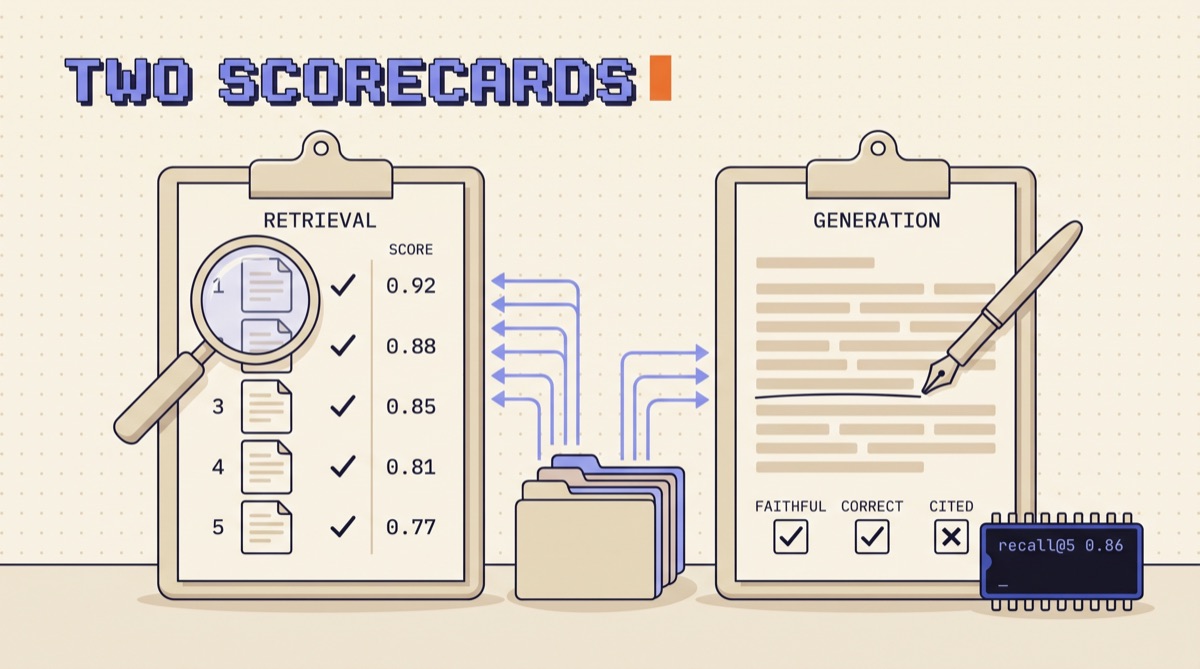 Retrieval & data · 8 min
How to Evaluate RAG: Score Retrieval and Generation Separately
How to evaluate RAG: build a golden set, score retrieval with recall@k and MRR, score answers for faithfulness, and find which half of your pipeline is failing.
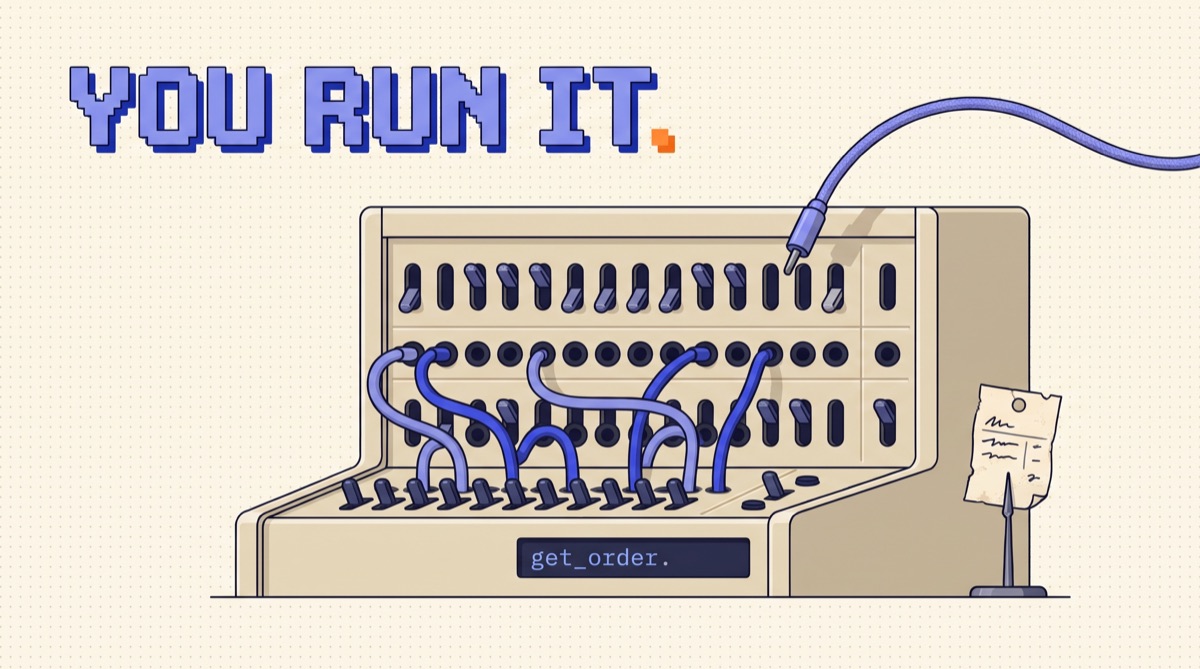 Agents · 7 min
What Is Function Calling? How LLMs Use Tools, With the Full Loop in Code
What is function calling? How an LLM requests a tool, why your code runs it, the full loop in Python, and the mistakes that break tool use in production apps.
 Agents · 7 min
What Is a Context Window? Token Limits, Long Context, and What Actually Fits
What is a context window? How LLM token limits work, why long context still forgets the middle, and how to budget tokens so your AI app stays accurate and cheap.
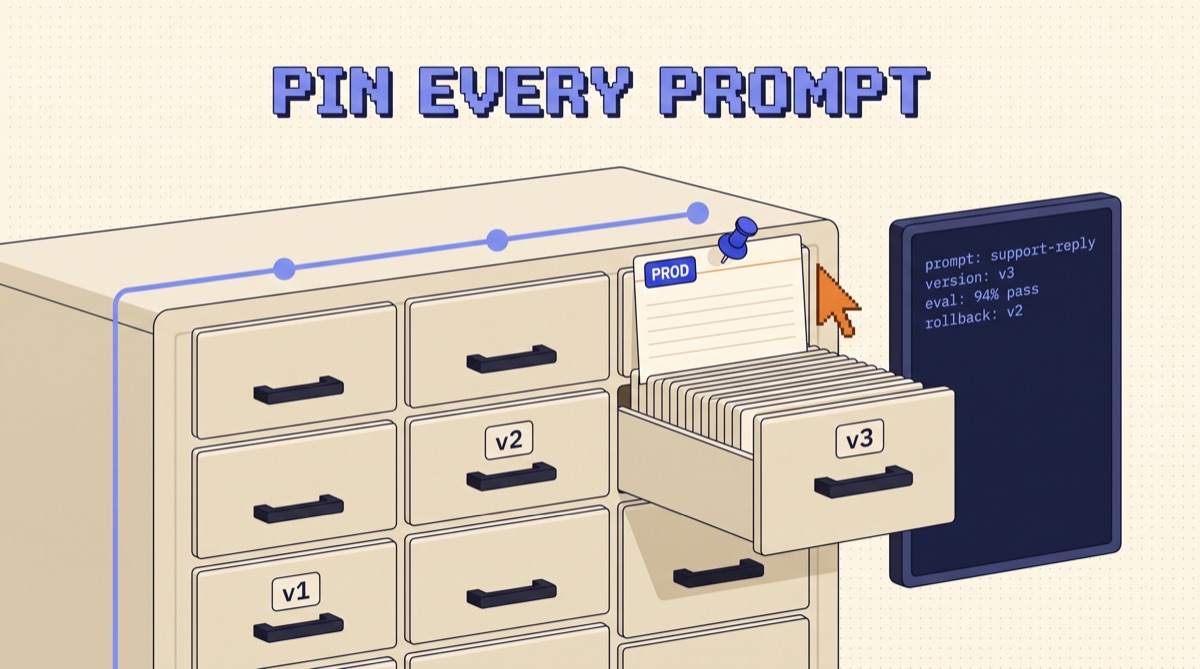 Prompting & context · 7 min
Prompt Versioning: How to Version, Test, and Roll Back Prompts in Production
Prompt versioning explained: how to store prompts as files, pin versions in code, gate changes with evals, and roll back a bad prompt in seconds, not hours.
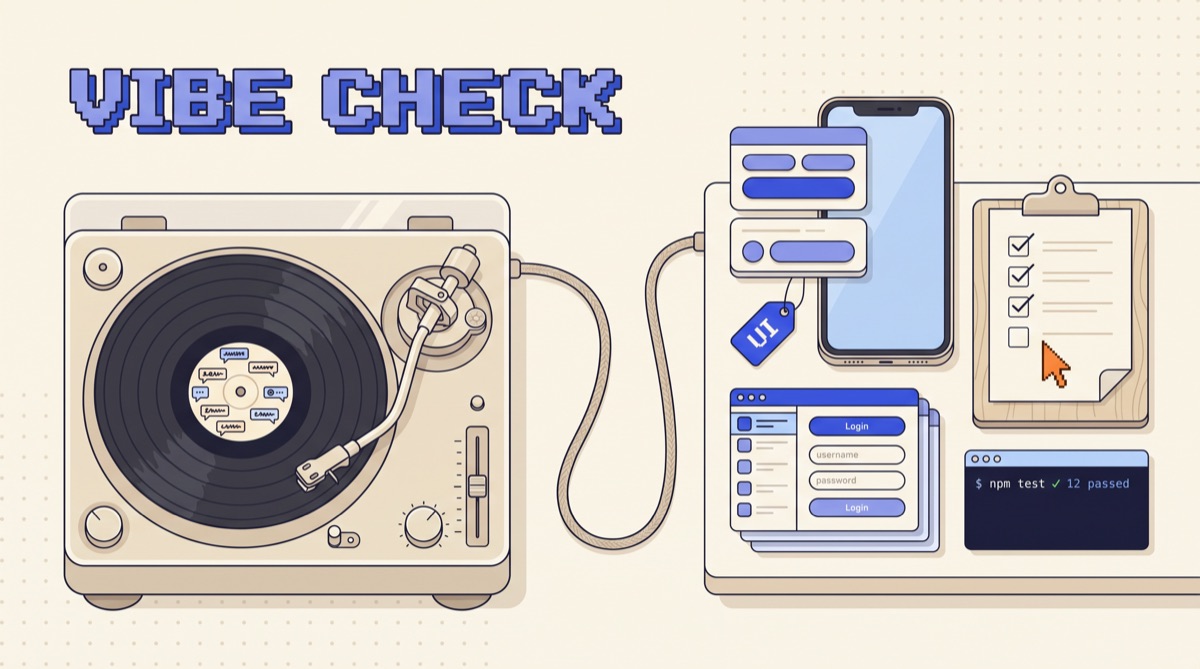 Agents · 8 min
What Is Vibe Coding? How to Build Real Apps With AI Without Shipping a Mess
Vibe coding means building software by describing it to an AI and steering by results. Here is when it works, when it breaks, and the loop that keeps it safe.
 Agents · 7 min
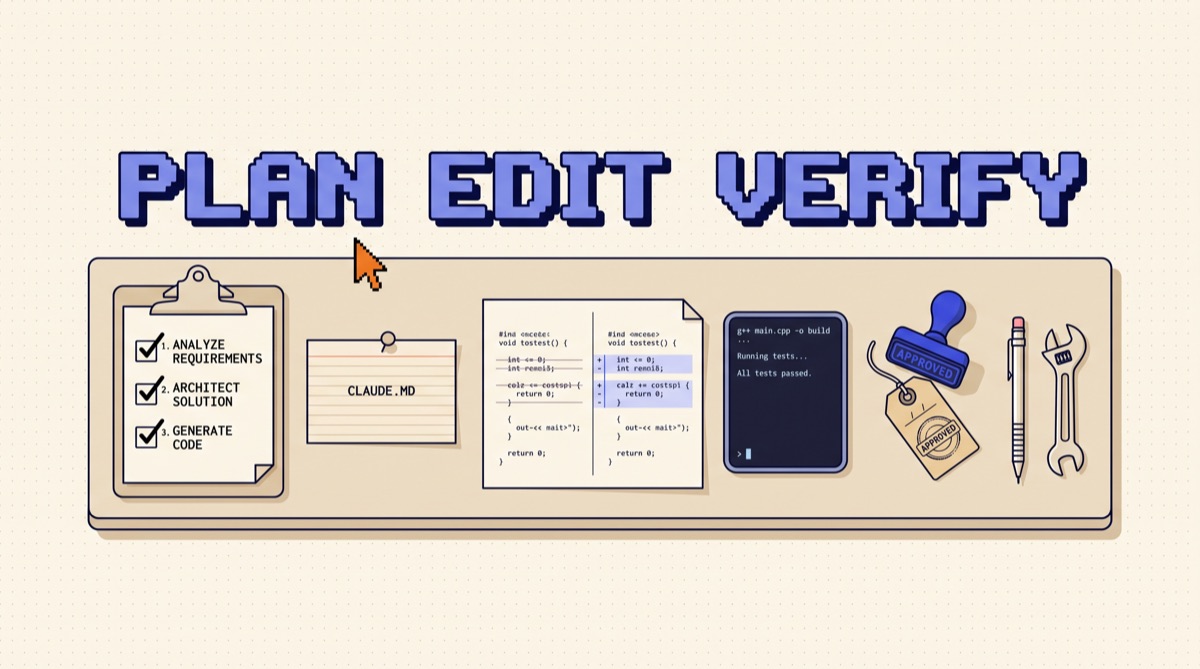
How to Use Claude Code: Setup, CLAUDE.md, Plan Mode, and a Daily Loop
How to use Claude Code well: install it, write a CLAUDE.md, plan before edits, manage context, set permissions, and verify every change with a real check.
 Agents · 8 min
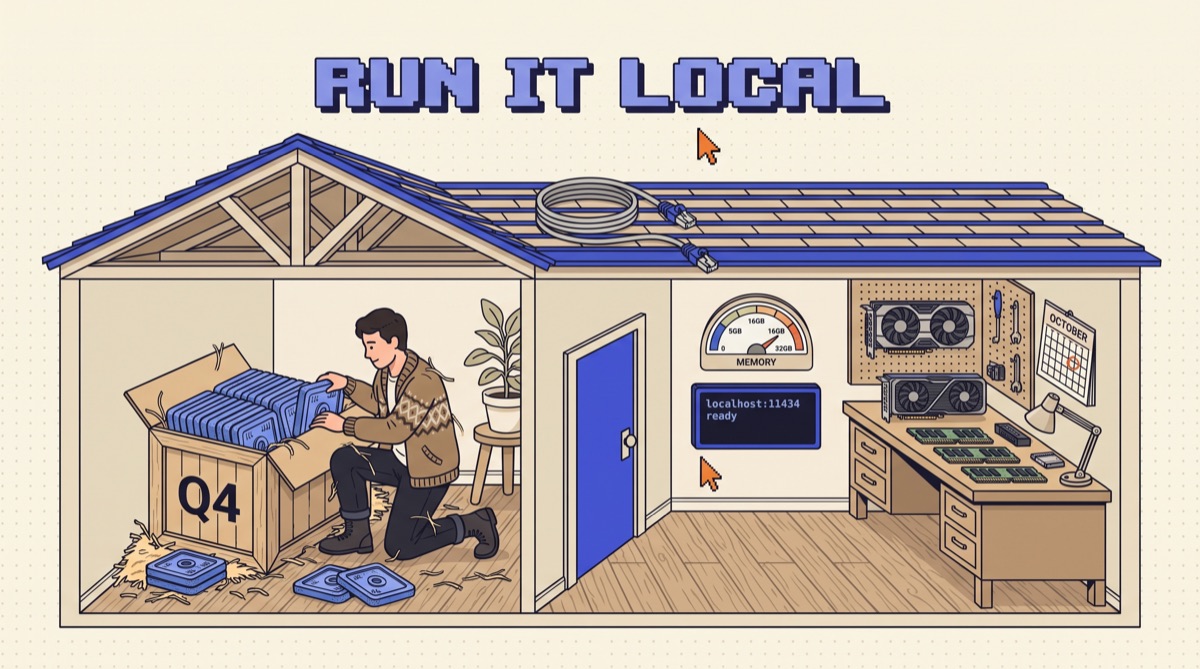
How to Run an LLM Locally: Hardware Math, Quantization, and One API
How to run an LLM locally: size the model to your memory, pick a quantization, run it with Ollama, LM Studio, or llama.cpp, and call it like any cloud API.
 Agents · 8 min
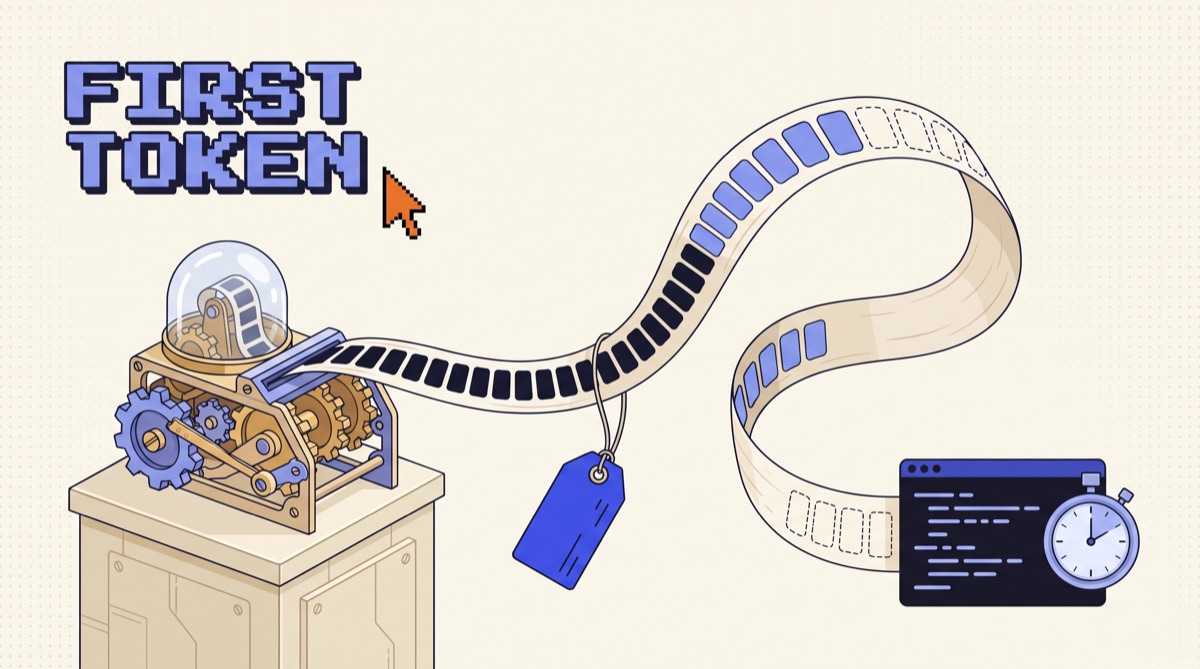
How to Stream LLM Responses: SSE, Proxies, Cancels, and the Render Loop
How to stream LLM responses end to end: the SSE event format, server relay code, proxy buffering fixes, cancellation, tool-call deltas, and when not to stream.
 Production · 7 min
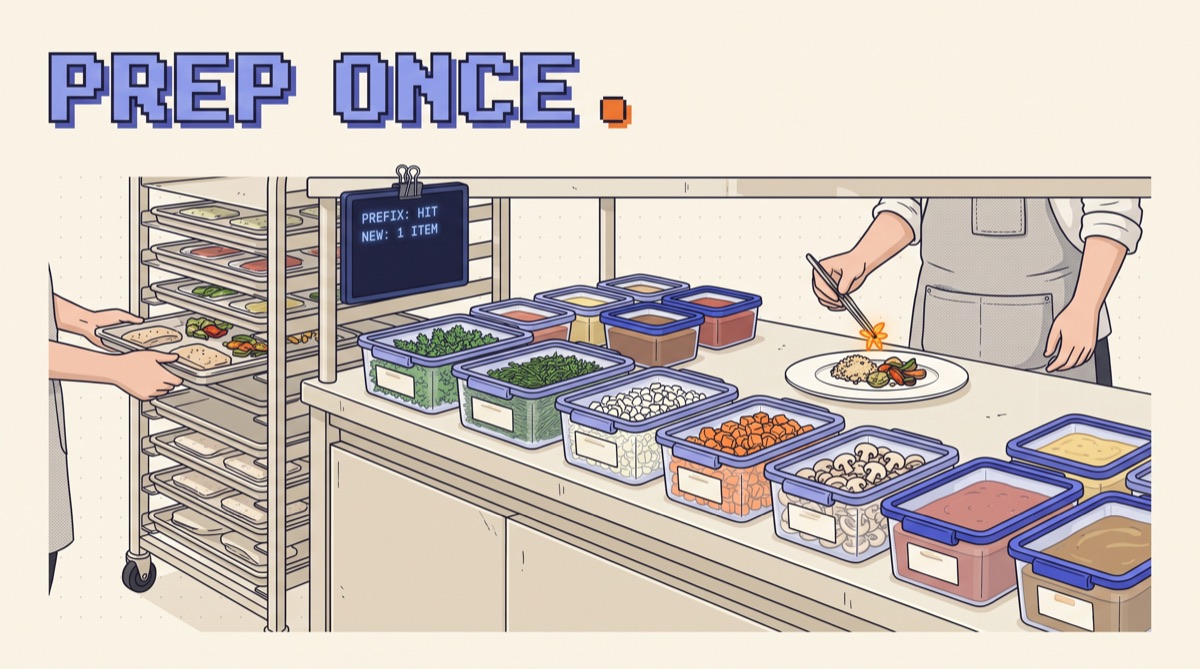
What Is Prompt Caching? How to Cut LLM Cost and Latency on Repeat Context
What is prompt caching? How LLM providers reuse a repeated prompt prefix, the break-even math, how to order prompts for cache hits, and what kills them.
 Agents · 7 min
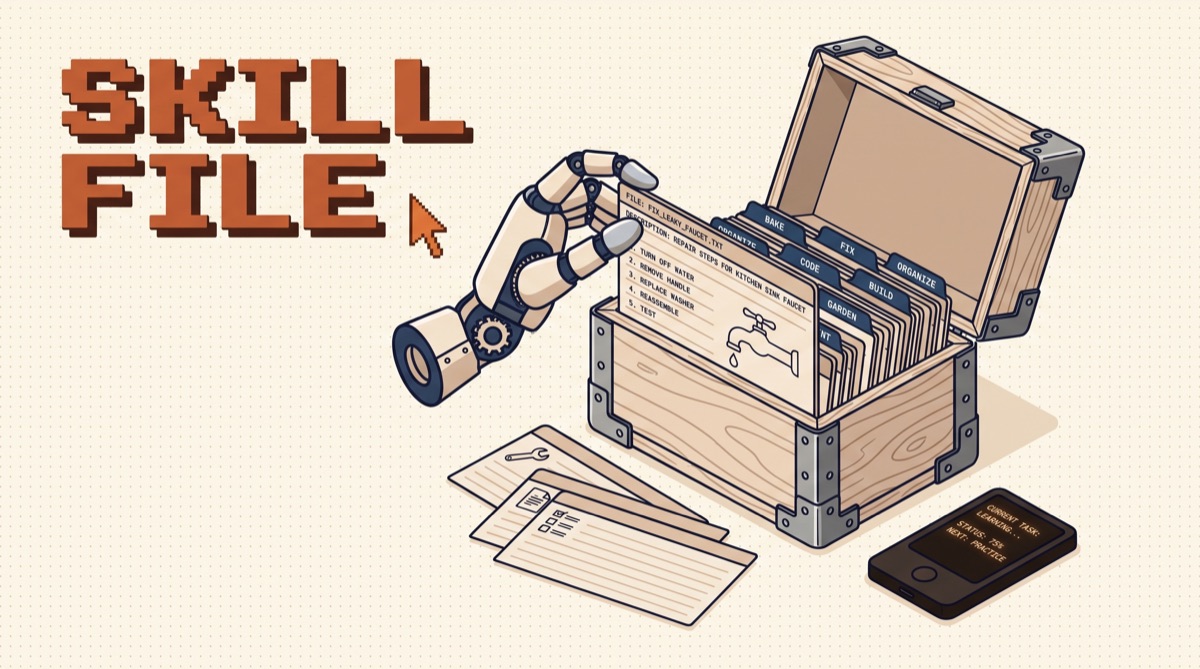
How to Create Claude Skills: SKILL.md, Triggers, and a Test Loop
How to create Claude skills that fire on the right request: the SKILL.md format, a description that triggers, bundled scripts, where to install, and testing.
 Agents · 7 min
How Does Netflix Use Artificial Intelligence? Four Layers, One Lesson
How does Netflix use artificial intelligence? A sourced case study of its recommendation foundation model, artwork bandits, AV1 encoding, and GenAI in post.
 Agents · 8 min
How to Use Meta AI: Pick the Door, Then Fix the Defaults
How to use Meta AI in 2026: where it lives across WhatsApp, Instagram and glasses, what Muse Spark changed, five uses worth it, and privacy defaults to fix.
 Agents · 8 min
How to Use Notion AI: Ask, Autofill, Then Agents
How to use Notion AI in 2026: which plan unlocks it, the database autofill that justifies the seat, Custom Agent credit math, and where a general model wins.
 Prompting & context · 9 min
How to Write a System Prompt: The Seven Blocks, In Order
How to write a system prompt that holds up in production: the seven blocks in order, rules with reasons, an output contract, examples, and a test loop.
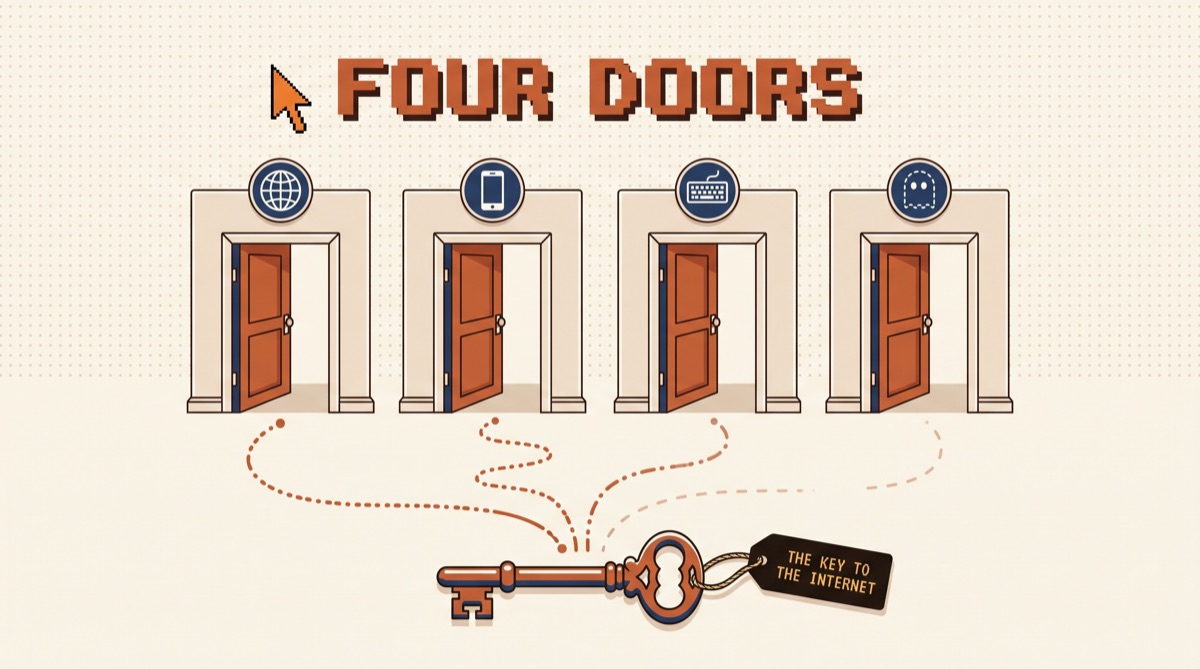 Agents · 7 min
How to Get ChatGPT in 2026: Four Doors In, and Which One to Pick
How to get ChatGPT in 2026: use it free at chatgpt.com, install the official iPhone, Android, Mac, or Windows app, and know which plan to pay for and when.
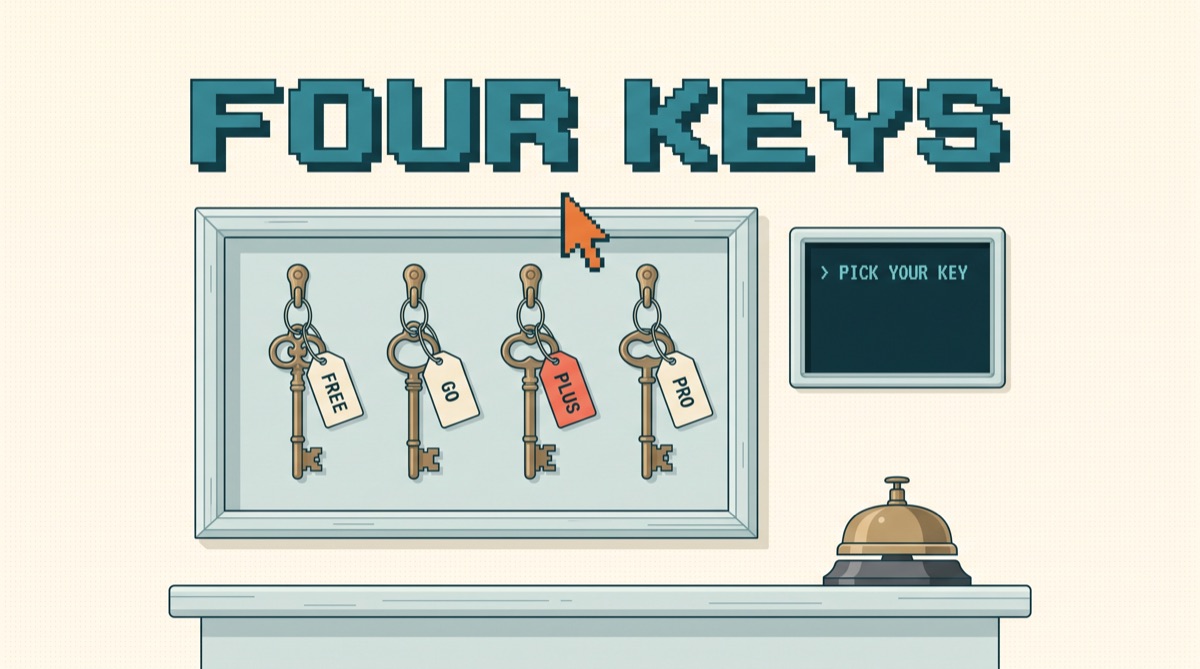 Agents · 8 min
How to Use OpenAI: Pick the Plan, Set the Controls, Then Build a Project
How to use OpenAI in 2026: which ChatGPT plan to buy, the one privacy setting to change first, which model to pick, and when to move to the OpenAI API.
 Agents · 8 min
How to Use Generative AI: Spec, Three Passes, Then Stop
How to use generative AI on real work: pick jobs with a cheap check, write the request as a spec, run three passes, and gate text, image, and code output.
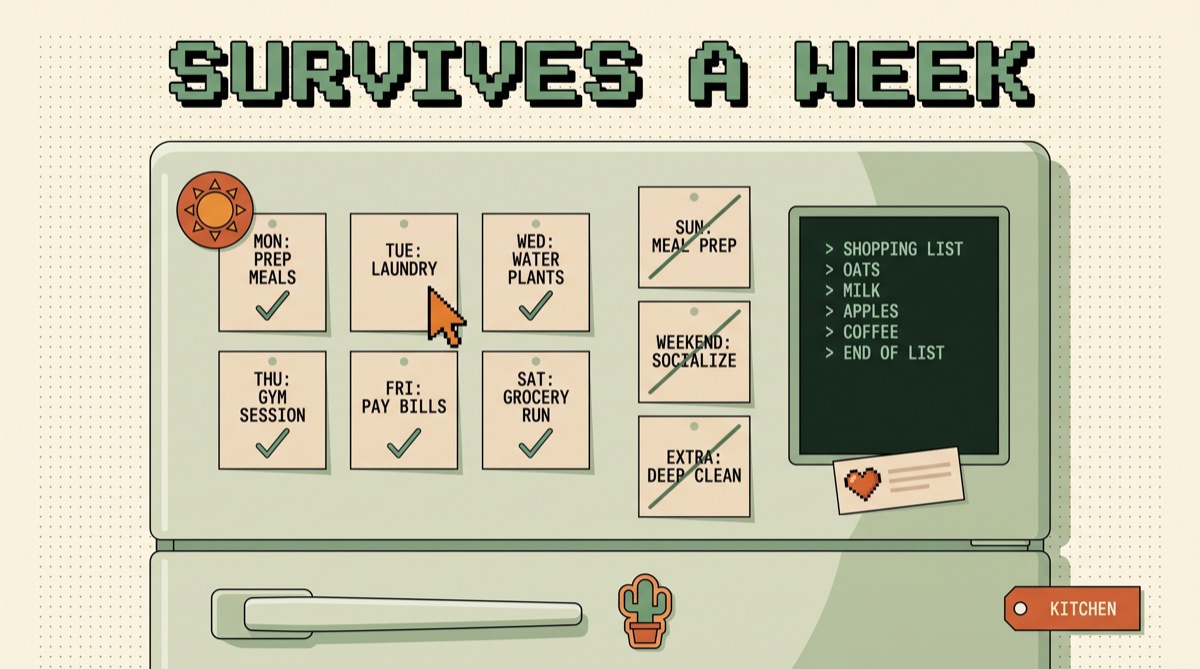 Agents · 8 min
How to Use AI in Daily Life: What Actually Survives a Real Week
How to use AI in daily life in 2026: the six habits that survive a real week, three that quietly cost you time, and the 20-second check before you act on it.
 Agents · 6 min
How Are Companies Using AI? What the 2026 Data Actually Shows
How are companies using AI in 2026: the four adoption numbers that disagree, the functions that actually run it, and why augmentation beats replacement 33 to 1.
 Agents · 9 min
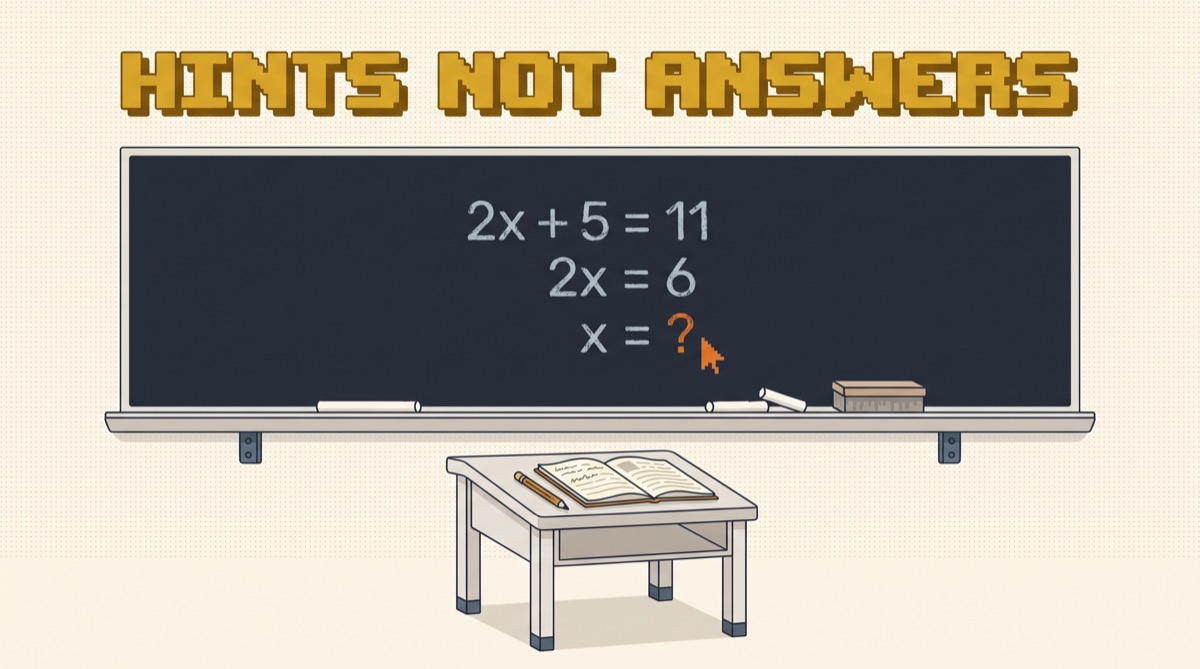
How Is AI Used in Education? What the Evidence Actually Shows
How is AI used in education: the four jobs it does in schools, what two 2025 randomized trials found about learning, and the guardrail that decides the result.
 Agents · 8 min
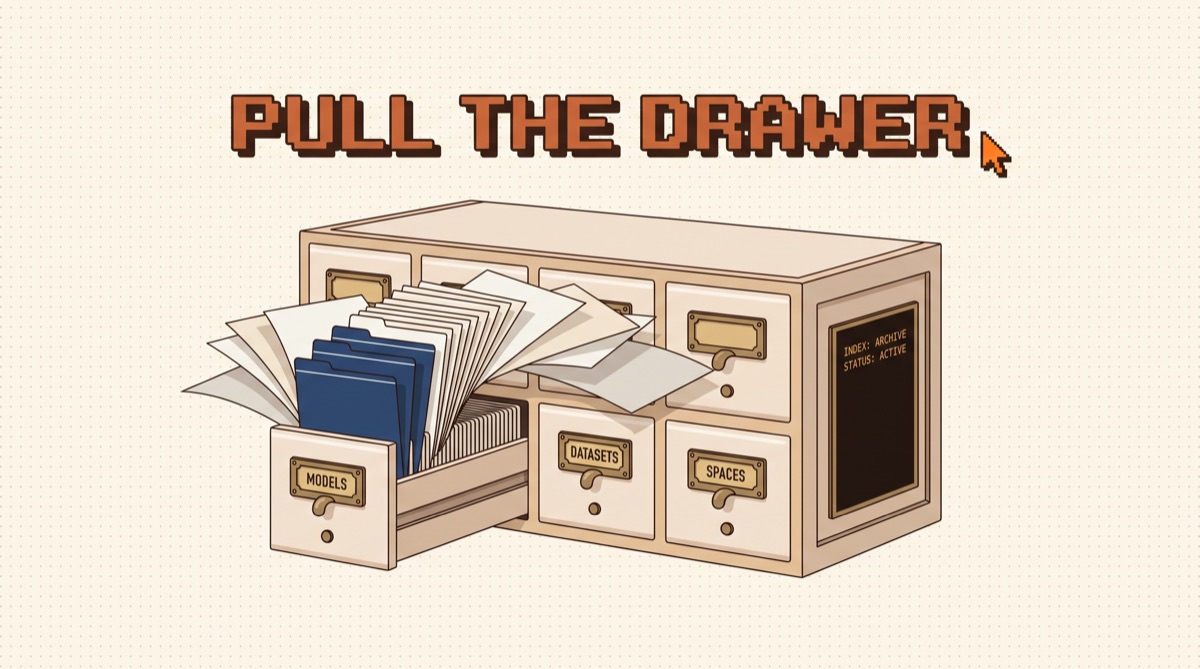
How to Use Hugging Face: The Hub, Spaces, and Inference, Without Drowning
How to use Hugging Face when the Hub holds 3 million models. What Models, Datasets, Spaces, Inference, and Jobs are each for, and the first thing to ship.
 Retrieval & data · 7 min
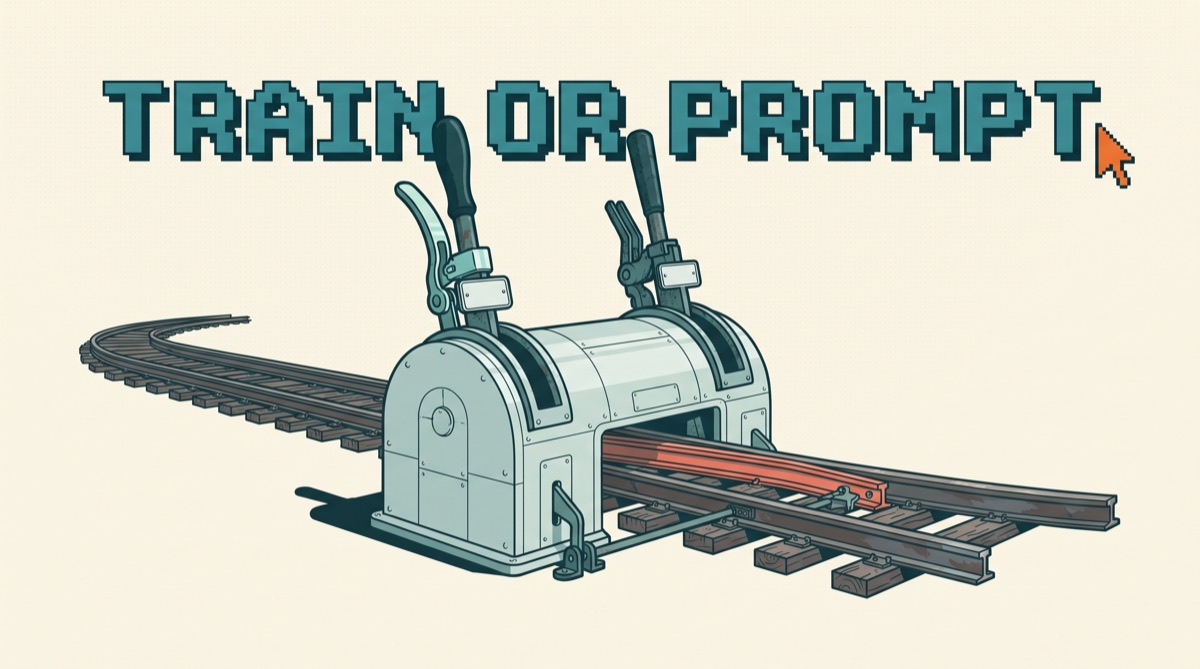
How Is AI Different From Machine Learning? The Builder's Decision Rule
How is AI different from machine learning? AI is the goal, machine learning is one method. The definitions, the 2026 adoption data, and when to train or prompt.
 Agents · 8 min
How to Use AI in Business: The Implementation Sequence
How to use AI in business in 2026: pick one process, instrument it, ship the smallest version, set the review gate, then measure before you scale anything.
 Agents · 7 min
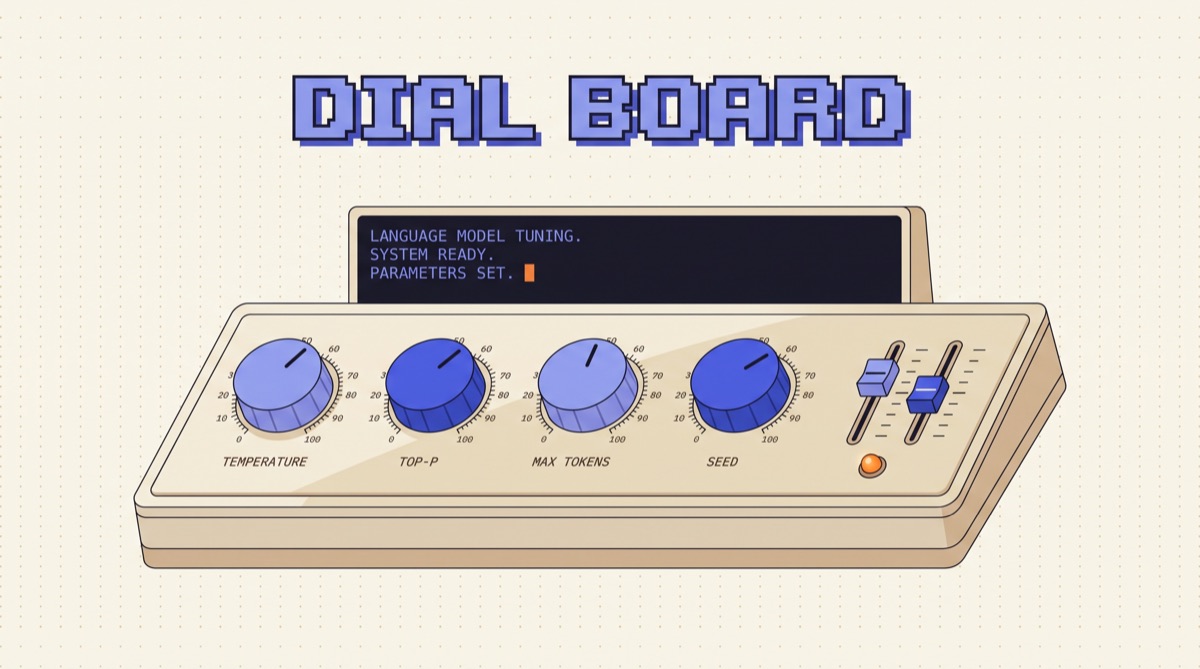
LLM Parameters Explained: Temperature, Top-P, and the Dials That Still Work
LLM parameters explained: what temperature and top-p really do, which dials frontier models now reject with a 400, and what to set instead for each job.
 Agents · 7 min
How to Use Google AI: Gemini, Workspace, and AI Studio
How to use Google AI in 2026: the three doors in, which Gemini model to pick, what Workspace already includes, and where Google is not worth switching to.
 Production · 8 min
How to Measure AI ROI (Four Numbers and One Break-Even)
How to measure AI ROI without fooling yourself: the four numbers behind every job, a worked break-even, and the six haircuts that pilot reports quietly skip.
 Agents · 7 min
How Is Artificial Intelligence Made? The Five Stages Behind a Model
How is artificial intelligence made? The five stages behind a frontier model: data filtering, pretraining, post-training, evals, and serving, with real numbers.
 Agents · 8 min
How to Use AI: The Four Modes, the Cost Math, and the Gate
How to use AI in 2026: the four modes (ask, draft, transform, delegate), the cost arithmetic per job, and the verification gate that keeps delegation safe.
 Agents · 7 min
AI Agent Frameworks: When to Use One and When to Skip It
AI agent frameworks earn their keep on durable state, human pauses, and replay. What each layer buys you, when to skip it, and how to keep the exit cheap.
 Agents · 8 min
Introduction to AI for Builders: 10 Concepts That Change What You Ship
An introduction to AI for builders: ten concepts that change what you ship, with the token arithmetic, the real failure modes, and what to build first.
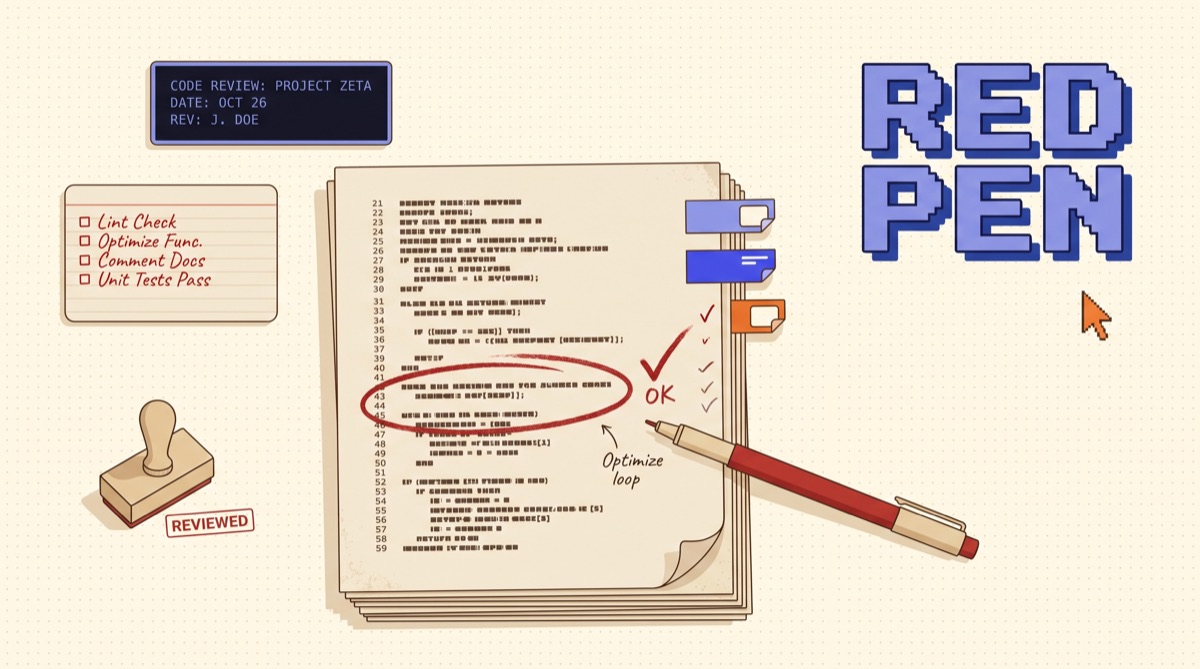 Agents · 7 min
AI Code Review: What to Automate and What Stays Human
AI code review works when you aim it at what humans skip: the machine lane, the human lane, diff sizing, and the rules file that keeps the noise down.
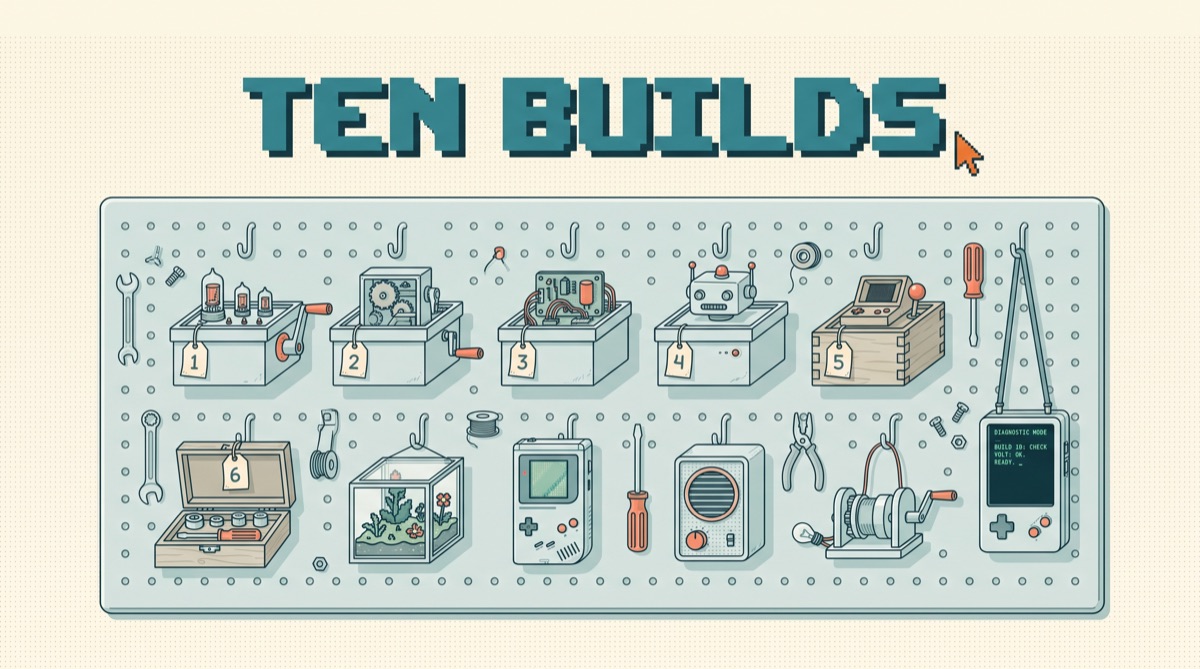 Agents · 7 min
Artificial Intelligence Projects: 10 Builds Worth a Weekend in 2026
Artificial intelligence projects that actually finish. Ten weekend builds with real scope, the stack, the cost arithmetic, and the failure mode each one hides.
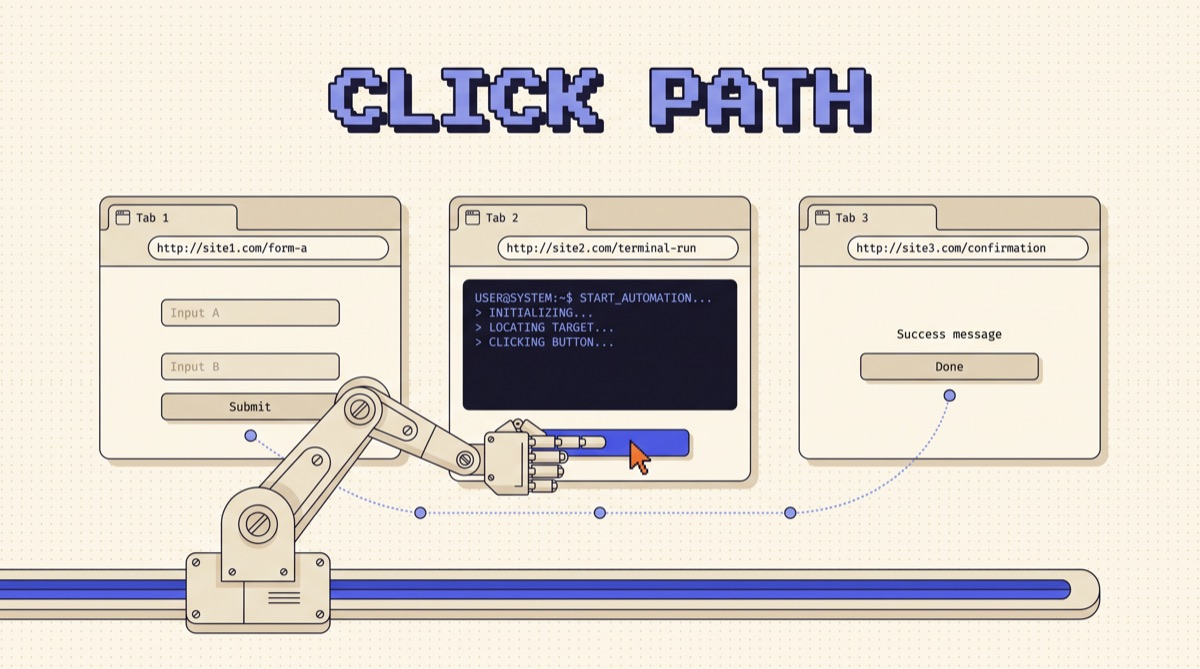 Agents · 7 min
AI Browser Automation: What It Can Run Unattended (And What It Can't)
AI browser automation is reliable for reading and shaky for writing. The read/write split, DOM versus pixels, the real token math, and where to put the gate.
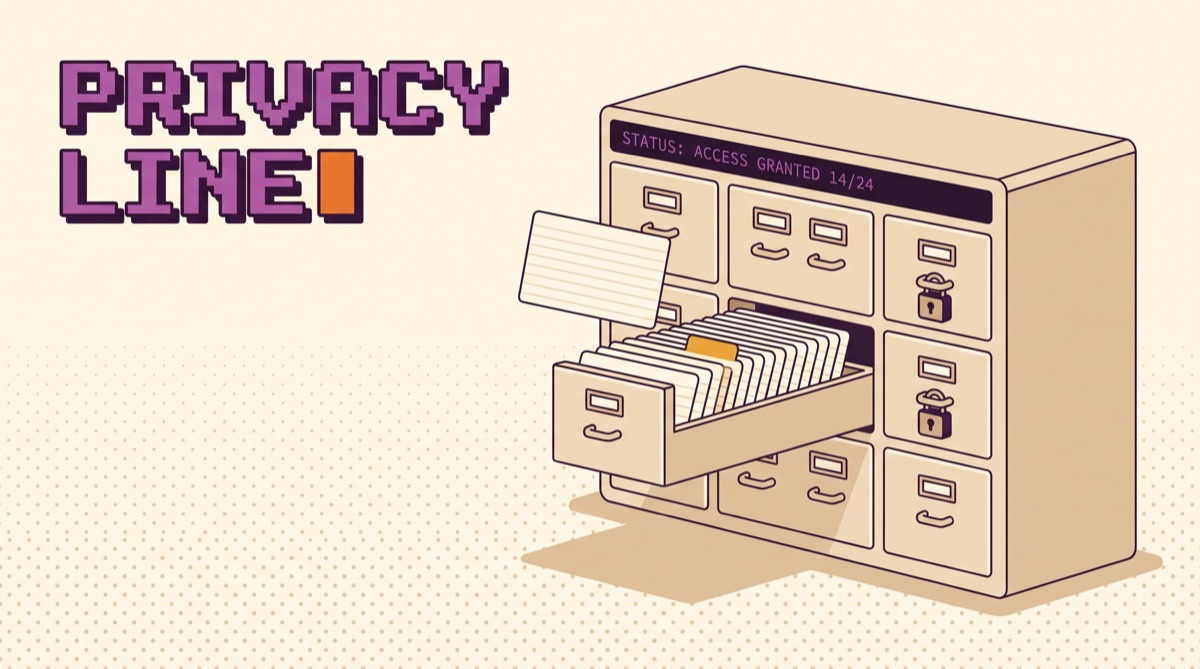 Agents · 8 min
Personal AI in 2026: Memory, Files, and the Privacy Line
Personal AI is four layers, not one feature. What memory stores, how to give it your files without handing over the whole disk, and where the privacy line sits.
 Agents · 7 min
How to Build an AI Customer Support Agent (Resolution, Not Deflection)
How to build an AI customer support agent that resolves tickets instead of deflecting them: intent triage, retrieval, escalation, and the metrics that matter.
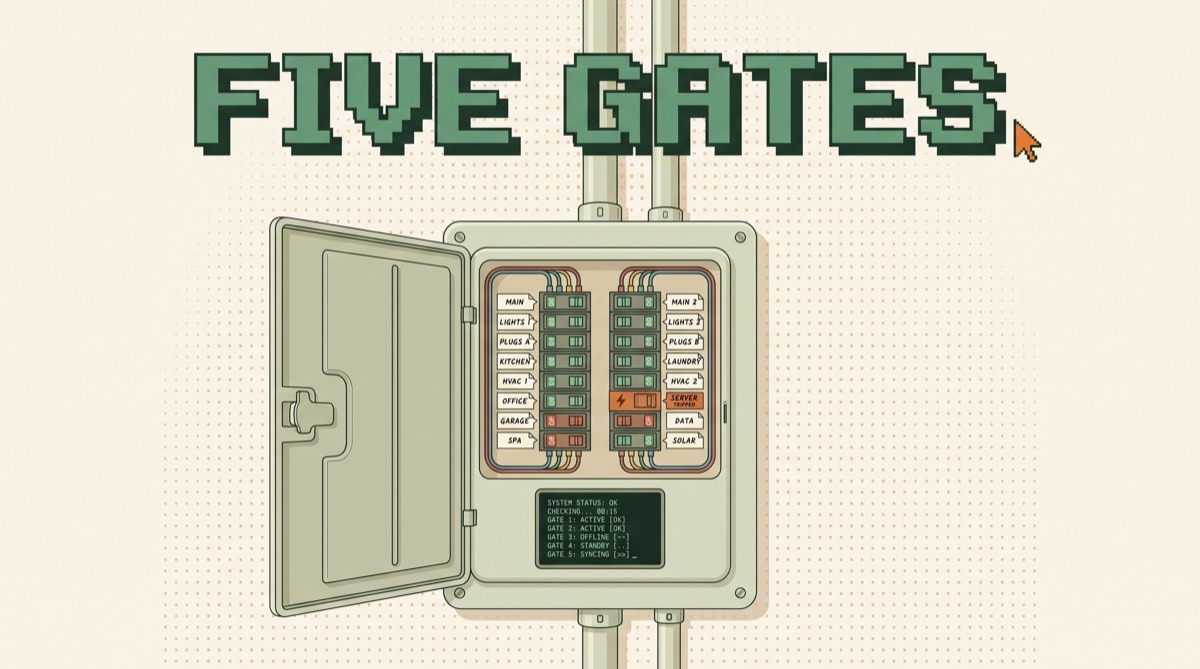 Agents · 7 min
Responsible AI in 2026: The Controls a Small Team Can Actually Ship
Responsible AI is five gates in your code, not a policy PDF. The verified 2026 incident numbers, the EU AI Act dates that survived the Omnibus, and a control list you can ship this sprint.
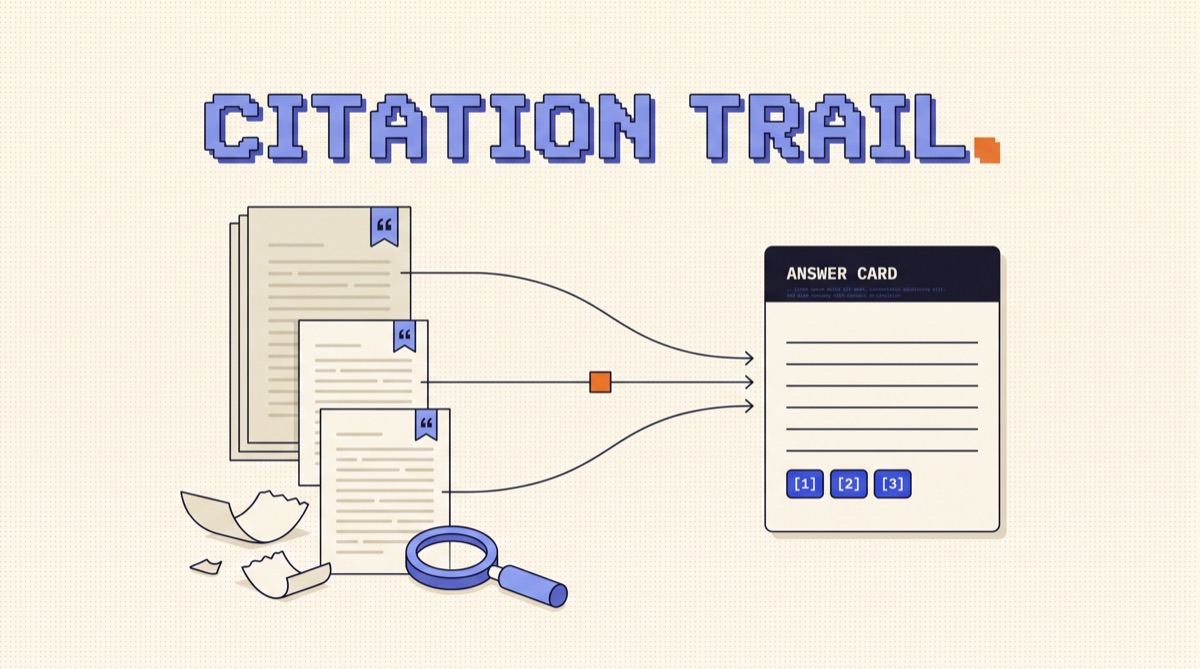 Agents · 7 min
How to Get Cited by AI Search (Four Gates, In Order)
How to get cited by AI search, with 2026 data: the crawler you must allow, the JavaScript trap that hides your page, and the four edits that lift citations.
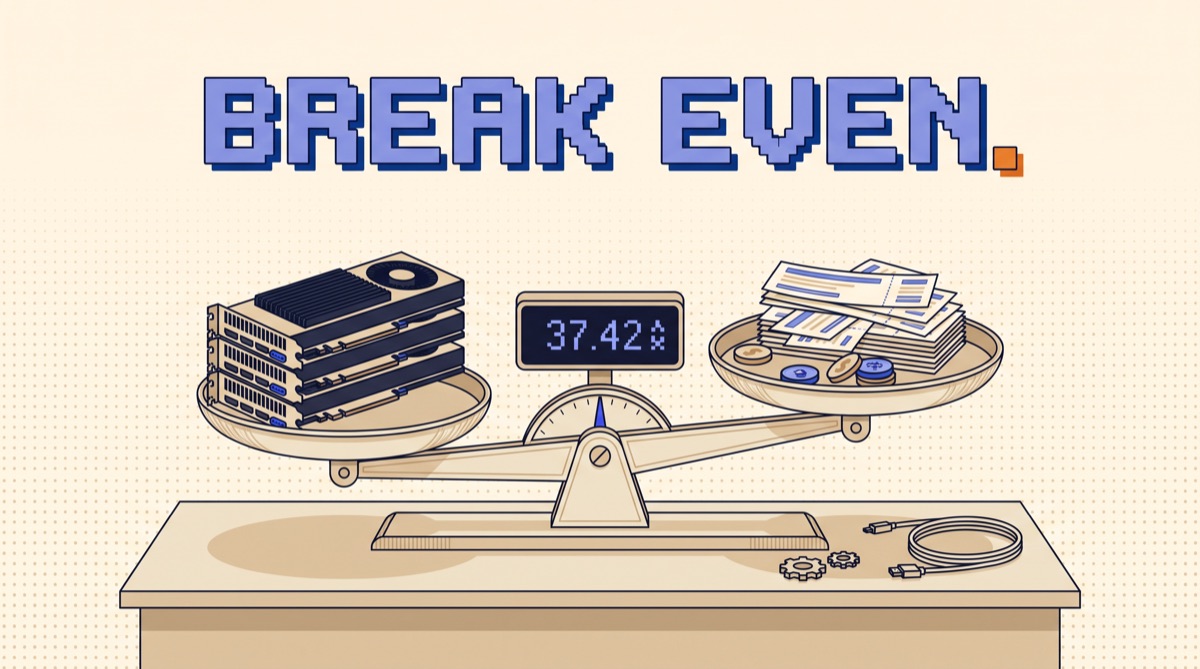 Production · 8 min
Open Source AI in 2026: The Real Self-Hosting Break-Even
Open source AI is three decisions, not one. Verified 2026 numbers, the self-hosting break-even math on a real H100 price, and when a hosted API still wins.
 Agents · 8 min
AI Programming in 2026: Specs, Loops, and Review Gates
AI programming works when you give the model a spec, run it in a test loop, and gate the merge. The verified 2026 numbers, the arithmetic, and the setup I run.
 Agents · 8 min
How to Connect an AI Agent to Your Database Without Handing It the Keys
Connect AI to your database the safe way: a read-only role, a narrow schema, a query gate, and why the read-only flag in your MCP server is not read-only.
 Production · 7 min
AI API in 2026: How to Pick One and Wire It Up Properly
Choosing an AI API is four decisions: model tier, caching, sync or batch, and failure policy. Verified August 2026 pricing, rate limit math, and the wrapper that keeps it up.
 Agents · 7 min
The Best AI Chatbot in 2026: Pick by Job, Not by Benchmark
The best AI chatbot depends on the job you repeat. Six jobs, the current pick for each, verified August 2026 pricing, and a 20-minute bake-off you run yourself.
 Prompting & context · 9 min
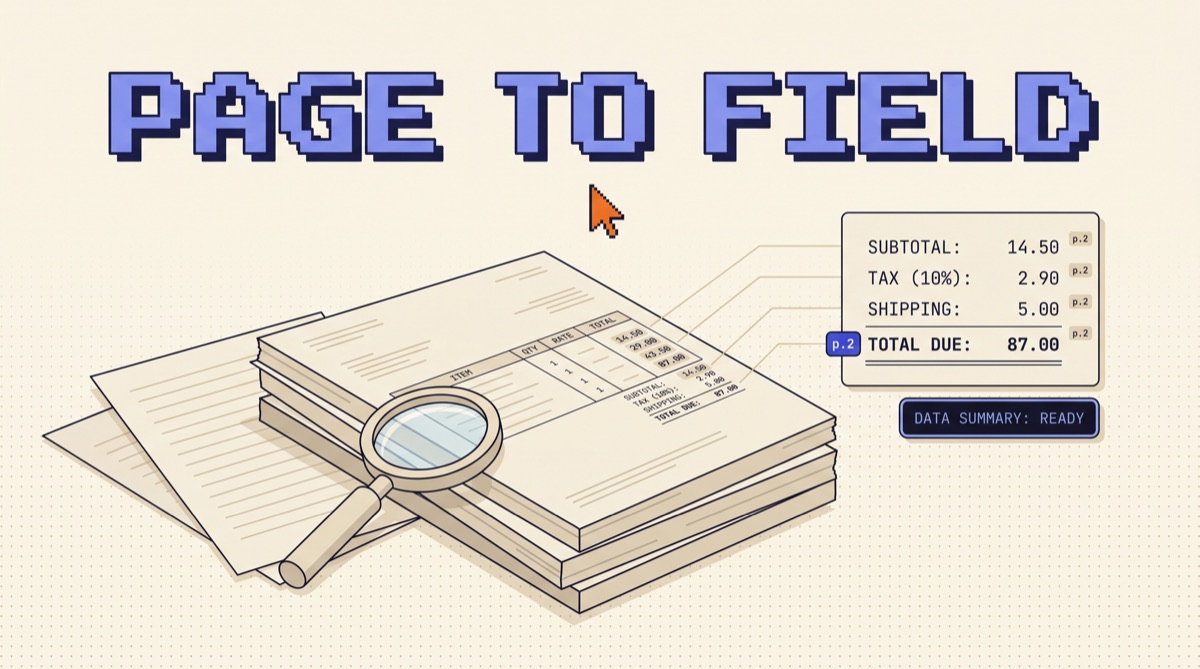
How to Extract Data From PDFs With AI (Fields, Citations, and a Review Gate)
How to extract data from PDFs with AI: the five stage pipeline with a locked schema, page citations, a per-field review gate, and the real cost per document.
 Production · 8 min
AI Development in 2026: Evals First, Then Features
AI development inverts normal software order: you write the evals before the feature. The four artifacts every AI project needs, plus the cost math to run them.
 Agents · 8 min
Generative AI in 2026: The Five Jobs It Does Well
A working definition of generative AI, the five jobs it reliably does well, the four it fails, and the cost math to decide which of yours is worth building.
 Production · 9 min
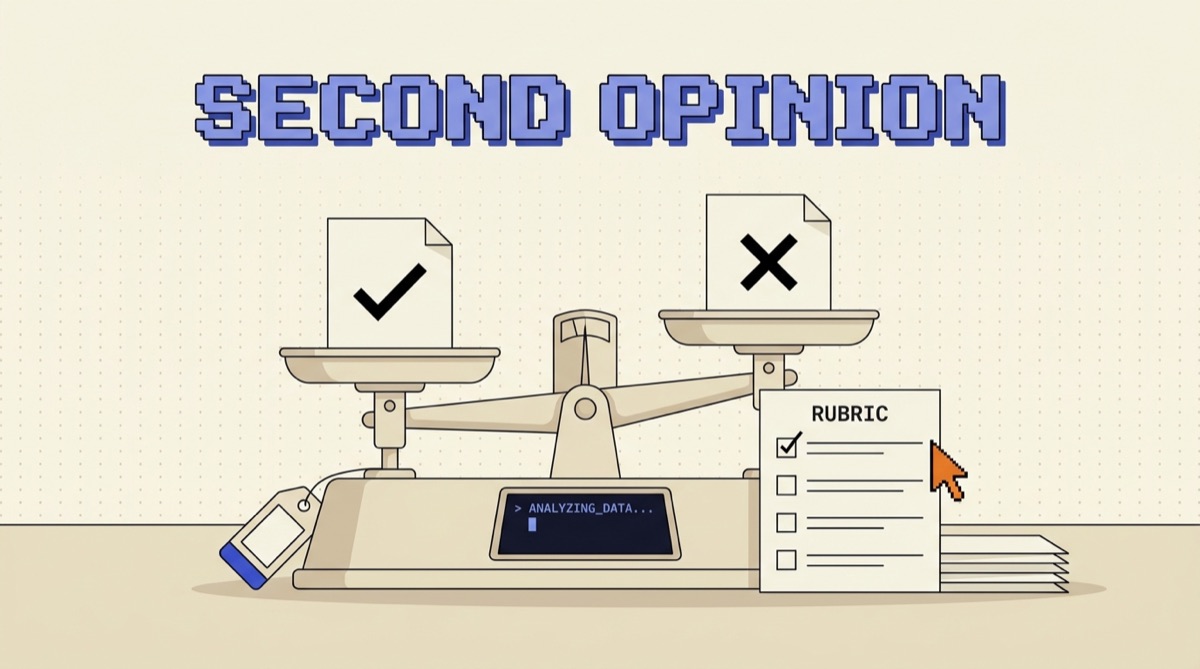
LLM as a Judge: How to Grade AI Output Without Fooling Yourself
LLM as a judge, done properly: rubric design, pointwise vs pairwise, the four biases that fake a winner, and how many trials one verdict actually needs.
 Prompting & context · 8 min
The OpenAI API in 2026: First Call to Last Mile
The OpenAI API in 2026: verified per-token pricing, keys, rate limit tiers, strict structured output, retry logic, and where Claude wins the same job.
 Agents · 8 min
Conversational AI in 2026: Why Chat Is the Interface of Last Resort
Conversational AI ships easily and is the wrong default for most business processes. The verified 2026 data, the coming cost reversal, and what to build first.
 Agents · 7 min
How to Deploy an AI Agent to Production (Jobs, Not Requests)
How to deploy an AI agent to production: run it as a background job, not an HTTP request. Timeouts, checkpoints, retries, and secrets, with real limits.
 Agents · 8 min
AI in Finance: What to Automate, What to Gate, and What to Leave Alone
AI in finance works in reconciliation, extraction, and reporting drafts, and breaks on forecasting. The verified 2026 data plus the gate each job needs.
 Agents · 7 min
AI in Business 2026: Where It Actually Shows Up on the P&L
AI in business is concentrated in three functions and two P&L lines. Here is the real adoption data, the arithmetic per function, and the first three builds to run.
 Agents · 8 min
How to Build an AI Voice Agent (Latency, Turn-Taking, and Handoffs)
How to build an AI voice agent people actually finish a call with: the latency budget, turn detection, barge-in, real cost per minute, and the handoff rule.
 Agents · 7 min
AI Assistant in 2026: What It Can Own and What It Can't
An AI assistant will attempt 12 hours of work and reliably finish 70 minutes of it. Here is what to hand one, what to gate, and how to set it up on real work.
 Production · 7 min
How to Handle LLM Rate Limits Without Making Them Worse
How to handle LLM rate limits: read the 429 headers, back off with jitter, budget by tokens instead of requests, and shed load before it queues.
 Agents · 7 min
AI Automation in 2026: What Actually Works and What Burns Money
A practical guide to AI automation in 2026: the four-filter test for picking processes, why most projects get canceled, and the math to run before you build.
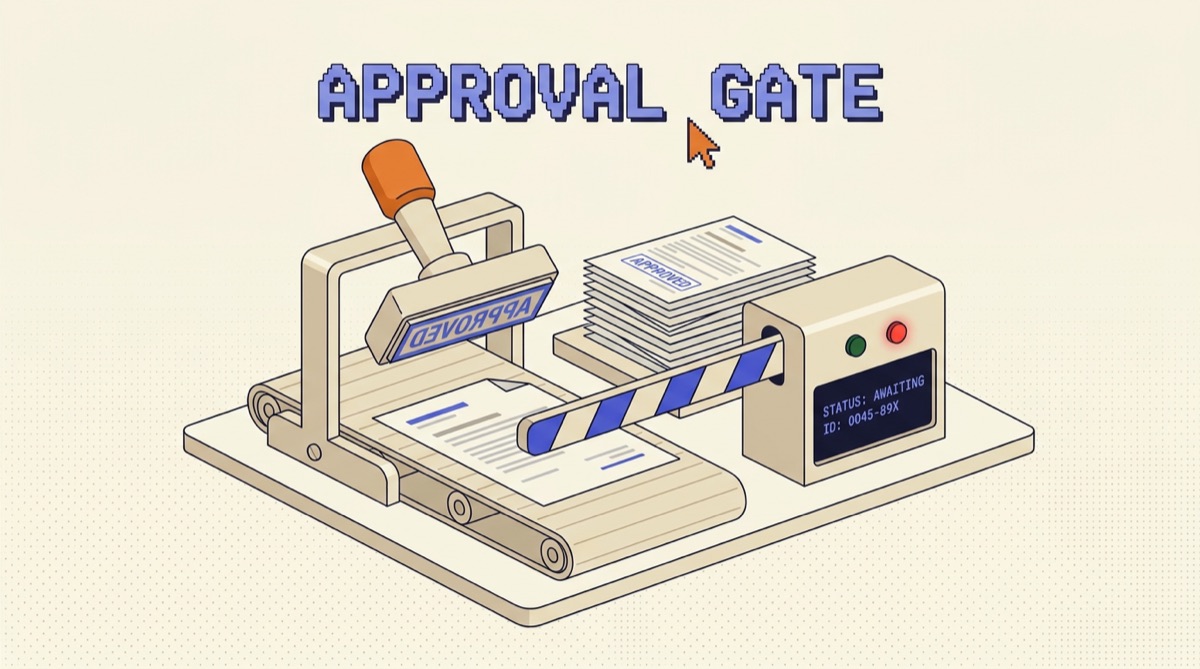 Agents · 6 min
Human in the Loop AI Agent: How to Add Approvals That Work
How to build a human in the loop AI agent: where to put approval gates, how to tier actions by risk, and how to keep review from becoming a rubber stamp.
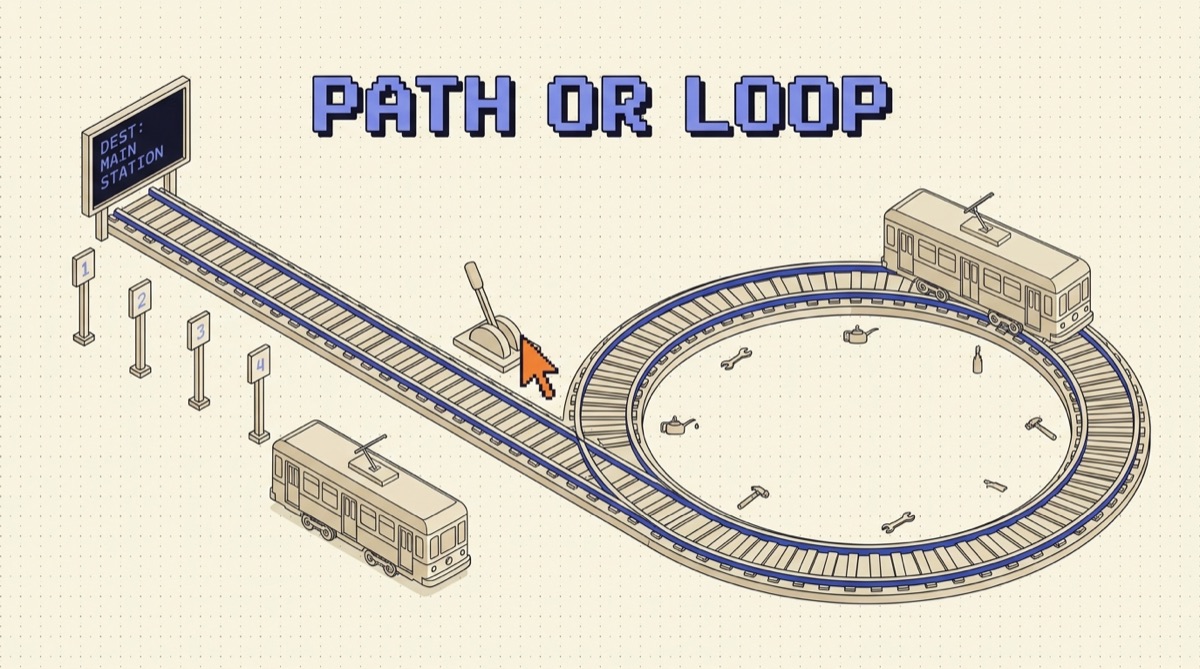 Agents · 7 min
AI Workflow vs AI Agent: How to Pick the Right One
AI workflow vs AI agent: when to use a fixed pipeline, when to hand the model the loop, and the four questions that pick the right one before you build.
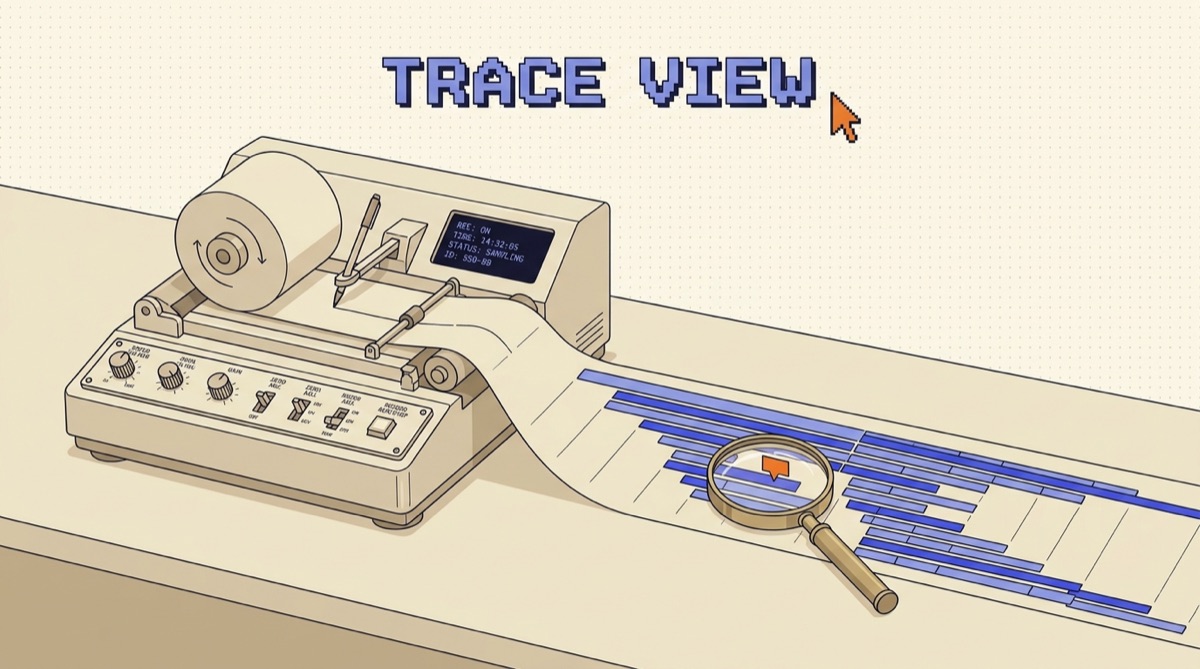 Agents · 6 min
AI Agent Observability: How to Debug an Agent in Production
AI agent observability: how to trace every agent run, log the fields that matter, and catch silent failures in production before your users report them.
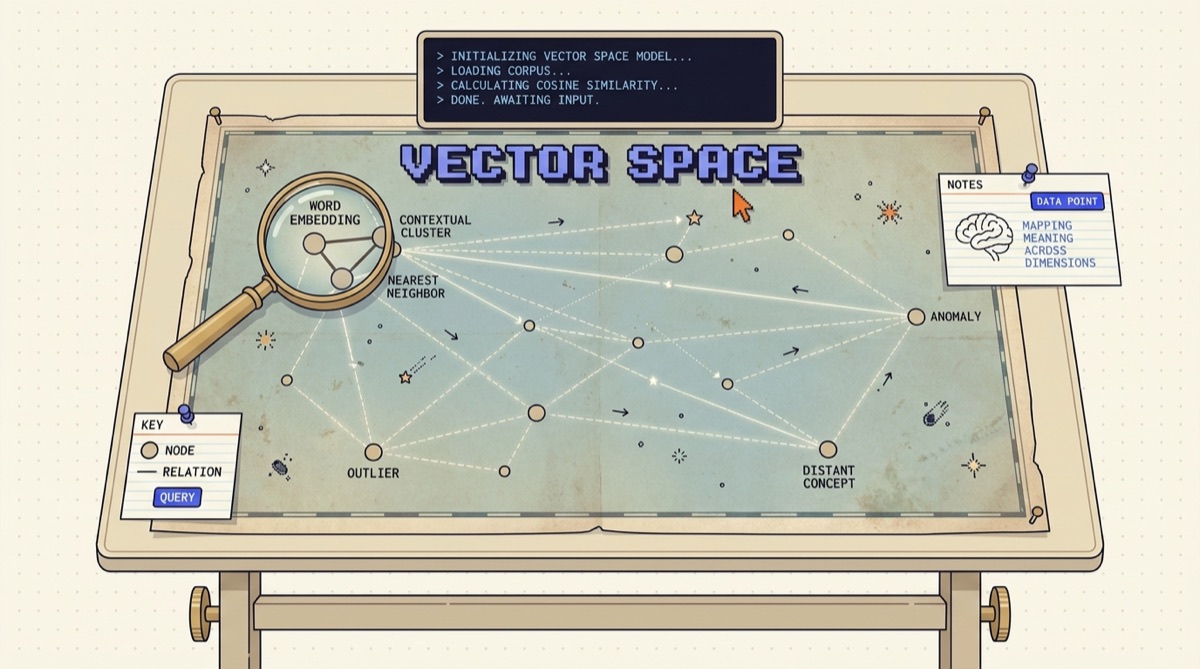 Retrieval & data · 6 min
What Are Embeddings? A Builder's Guide to Vector Search
What are embeddings: numeric vectors that turn text into coordinates so similar meaning sits close together, powering semantic search, RAG, and memory.
 Retrieval & data · 8 min
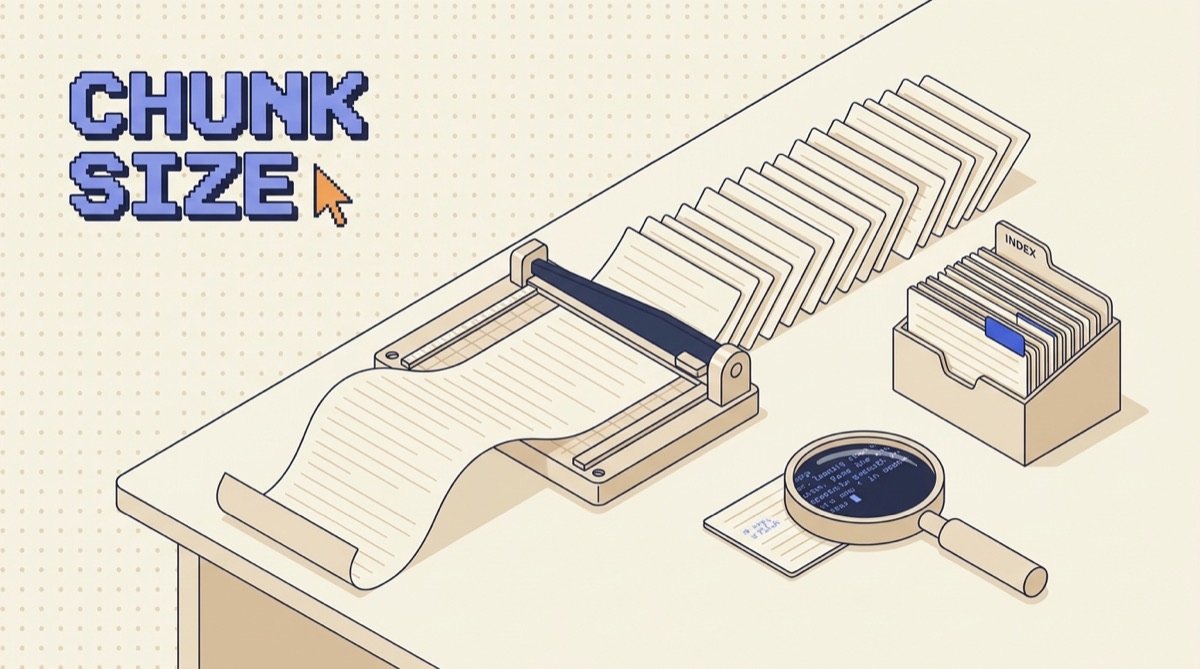
How to Chunk Documents for RAG (Sizes, Overlap, and What Actually Works)
How to chunk documents for RAG: split on structure first, target 300 to 600 tokens per chunk, add 10 to 15 percent overlap, and keep a header trail on every piece.
 Agents · 7 min
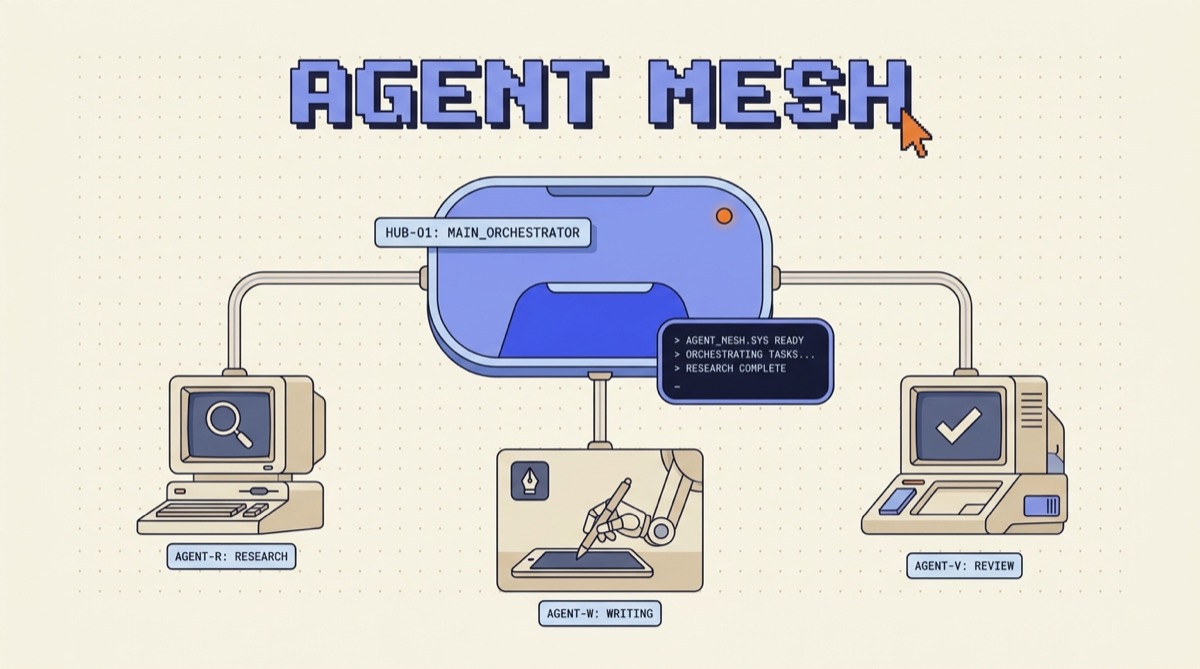
How to Build a Multi-Agent System (And When You Actually Need One)
How to build a multi-agent system: split one job into narrow roles, give each agent its own prompt and tools, and let an orchestrator route and merge the work.
 Production · 8 min
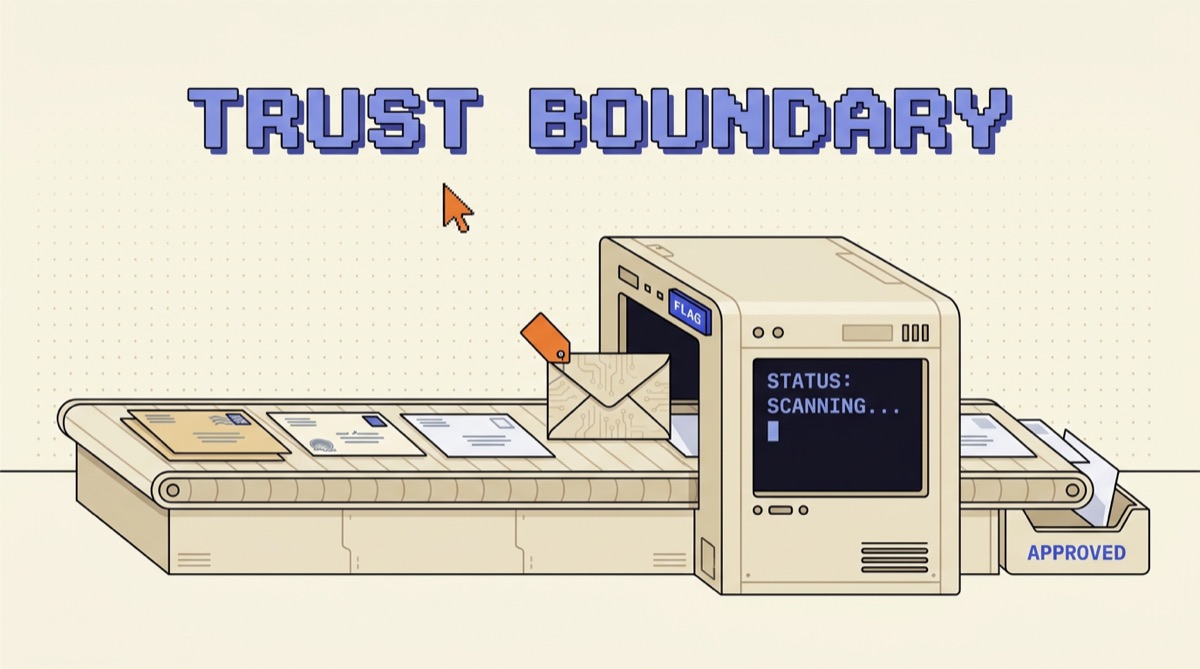
How to Prevent Prompt Injection in Your AI Agent
How to prevent prompt injection: treat everything the model reads as untrusted data, sandbox the tools, gate irreversible actions, and contain the blast radius.
 Agents · 7 min
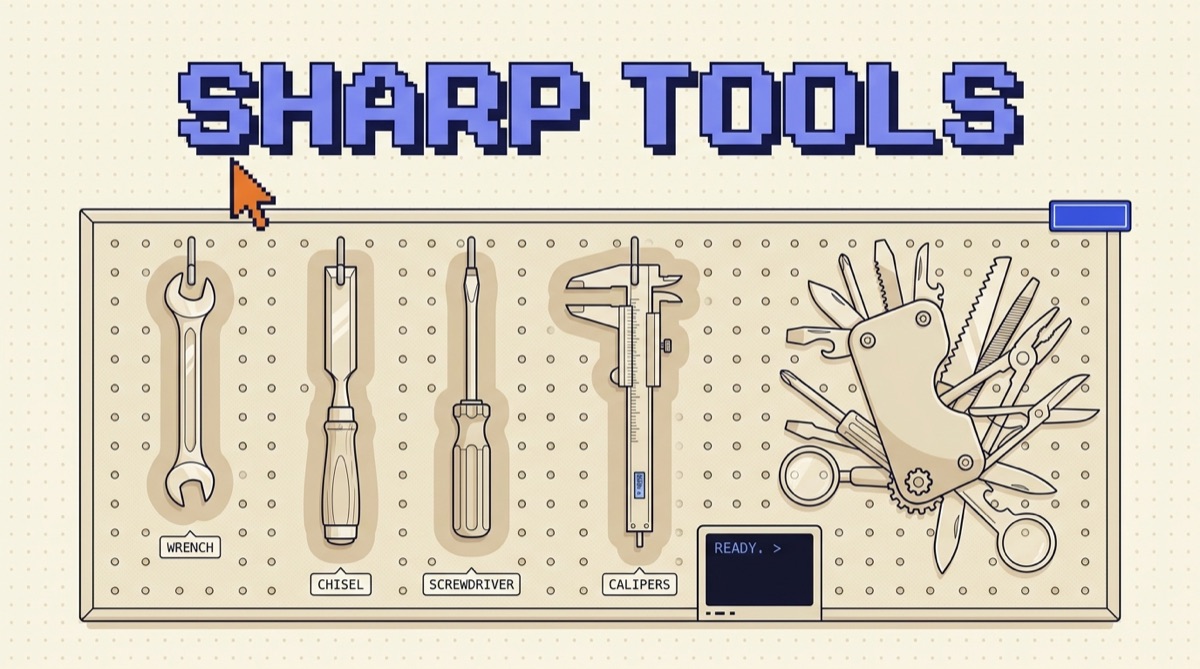
How to Design Tools for an AI Agent (So It Actually Uses Them)
How to design tools for AI agents: give each tool one job, write descriptions a new hire could follow, constrain the inputs, and return errors that teach.
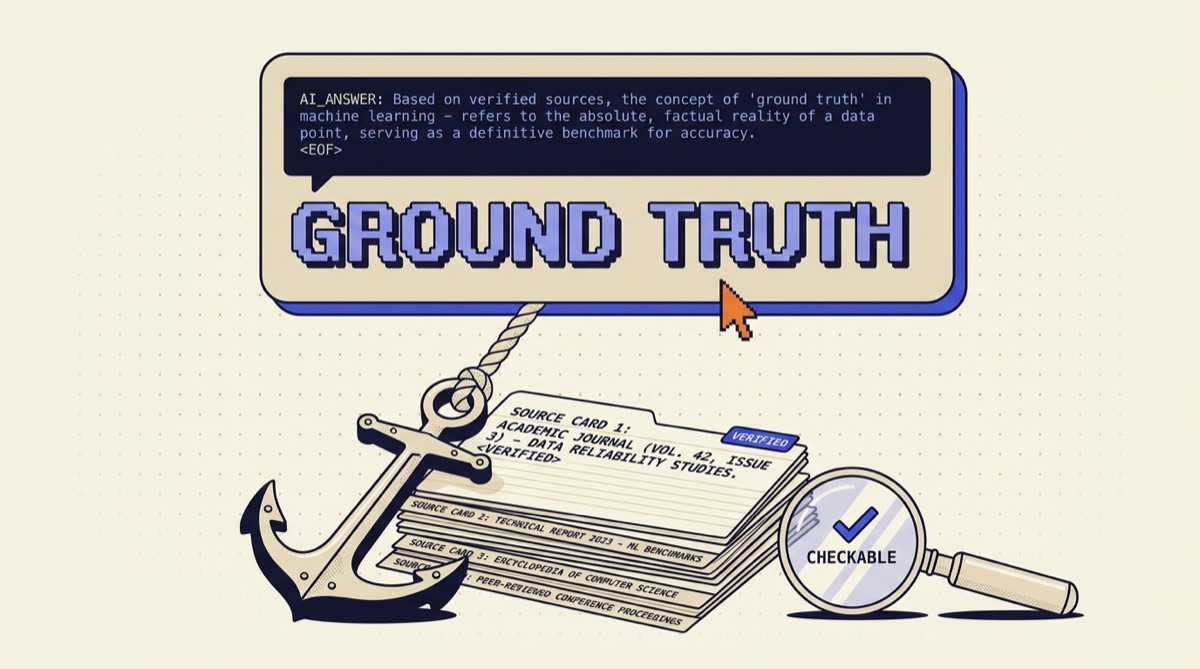 Production · 6 min
How to Reduce AI Hallucinations (7 Fixes That Actually Work)
How to reduce AI hallucinations: ground the model in real sources, constrain what it can answer, and verify before you ship. Seven fixes builders can apply today.
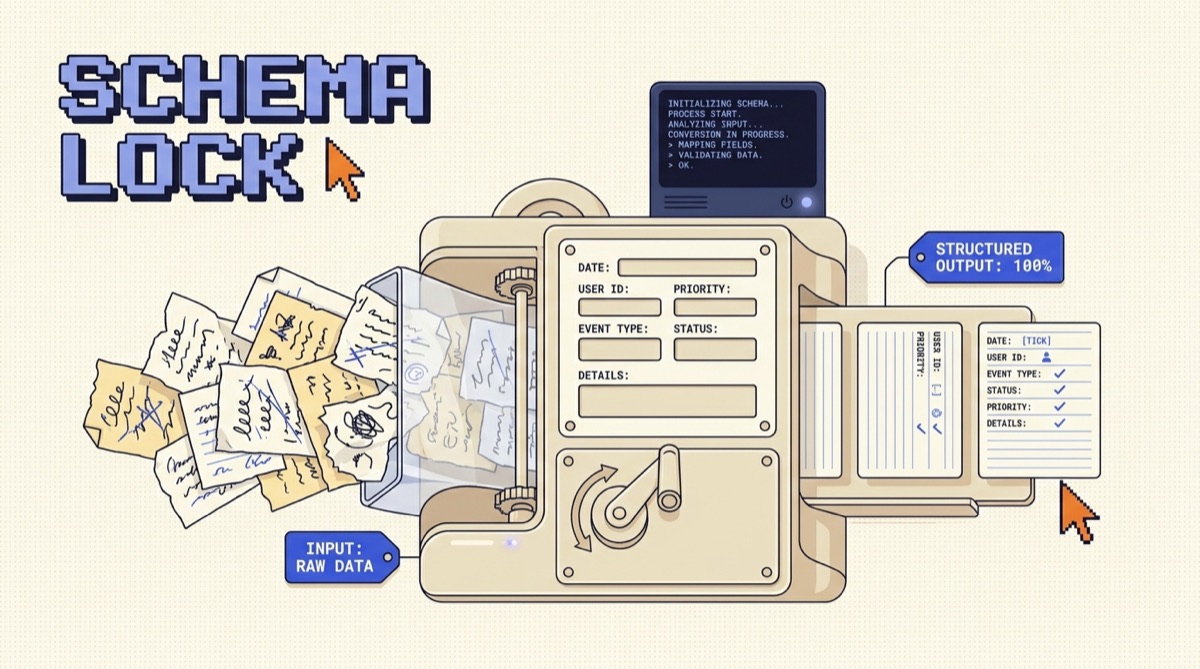 Prompting & context · 6 min
How to Get Reliable Structured Output From an LLM (JSON, Plainly)
How to get reliable structured output from an LLM: ask for a schema, use JSON or tool mode instead of parsing free text, and validate every response with a retry loop.
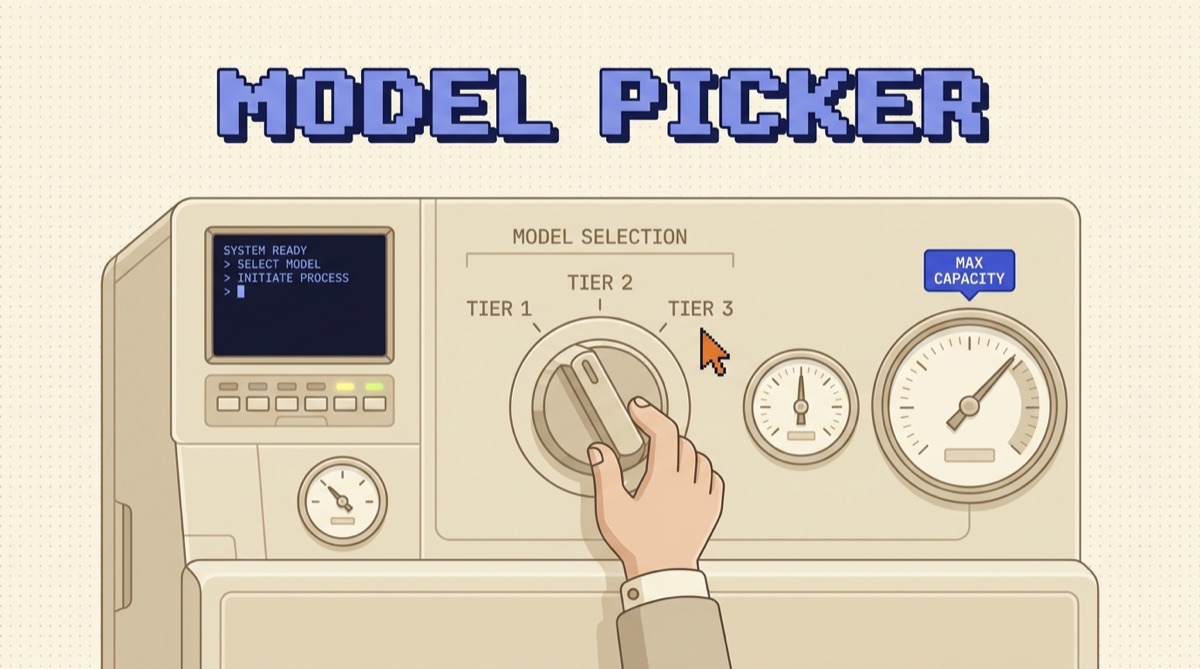 Production · 6 min
How to Choose an AI Model: Match the Tier to the Job
How to choose an AI model: pick the smallest tier that clears your accuracy bar, match speed and cost to the task, and test on your own data before you ship.
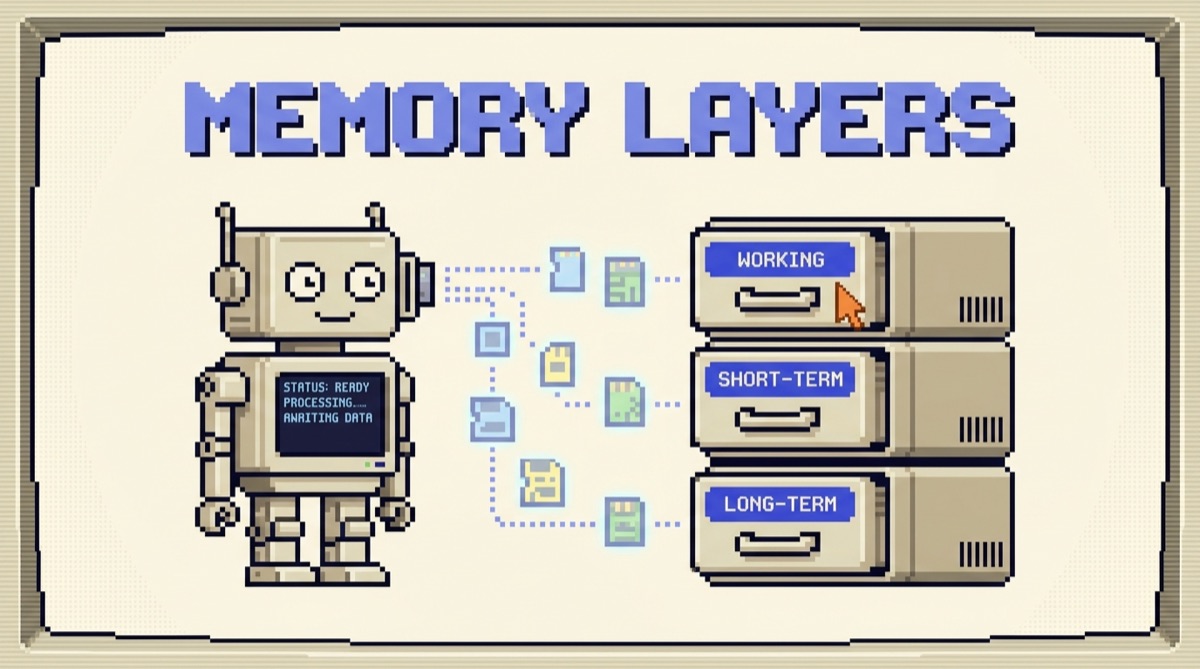 Agents · 7 min
How to Give Your AI Agent Memory (Working, Short-Term, Long-Term)
AI agent memory, explained: give an agent working, short-term, and long-term memory so it remembers what matters across sessions and forgets the noise.
 Production · 6 min
How to Cut Your AI API Bill Without Hurting Quality
Reduce AI API costs with five levers builders actually use: right-sizing the model, prompt caching, trimming tokens, batch jobs, and capping output.
 Agents · 6 min
How to Test an AI Agent Before You Ship It (AI Evals, Plainly)
How to test an AI agent before you ship it: build a small eval set, score the outputs, catch regressions, and replace vibe-checks with a repeatable pass-or-fail loop.
 Retrieval & data · 7 min
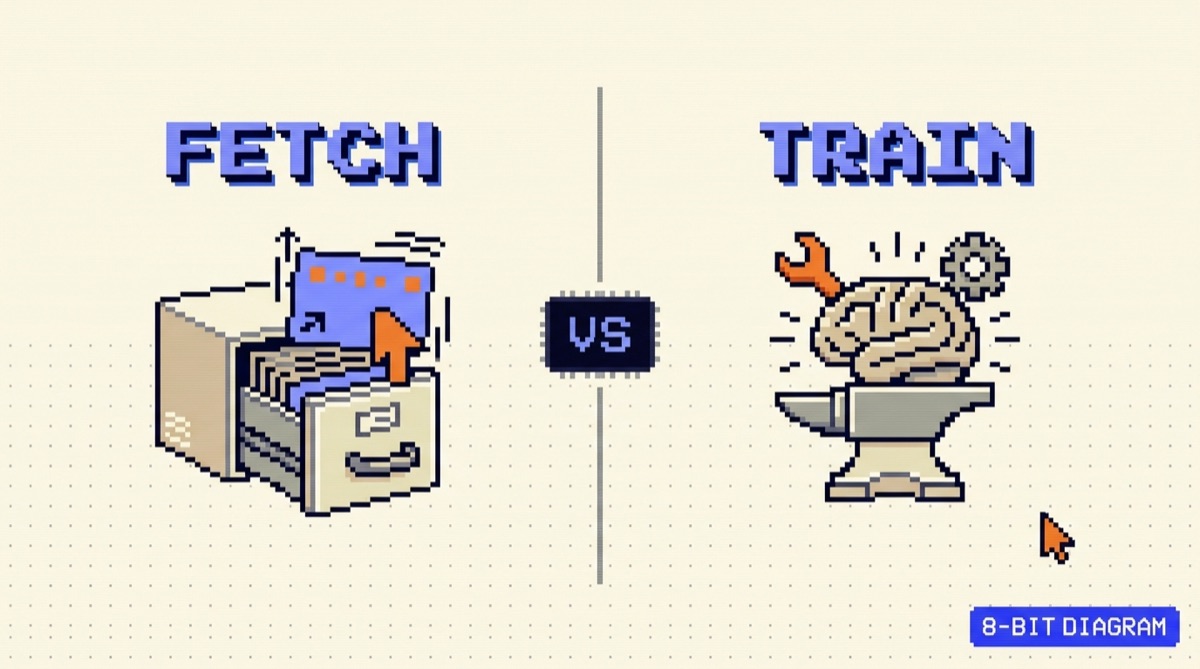
RAG vs Fine-Tuning: How to Customize Your AI Without Wasting Money
RAG vs fine-tuning, explained for builders: what each one does, when to use which, why you often want both, and a quick decision path to pick the right one.
 Retrieval & data · 6 min
What Is an MCP Server? A Builder's Guide to Connecting AI to Your Tools
What is an MCP server? A builder's guide to the Model Context Protocol: what it does, how the client-server handshake works, and how to connect one to your AI.
 Prompting & context · 6 min
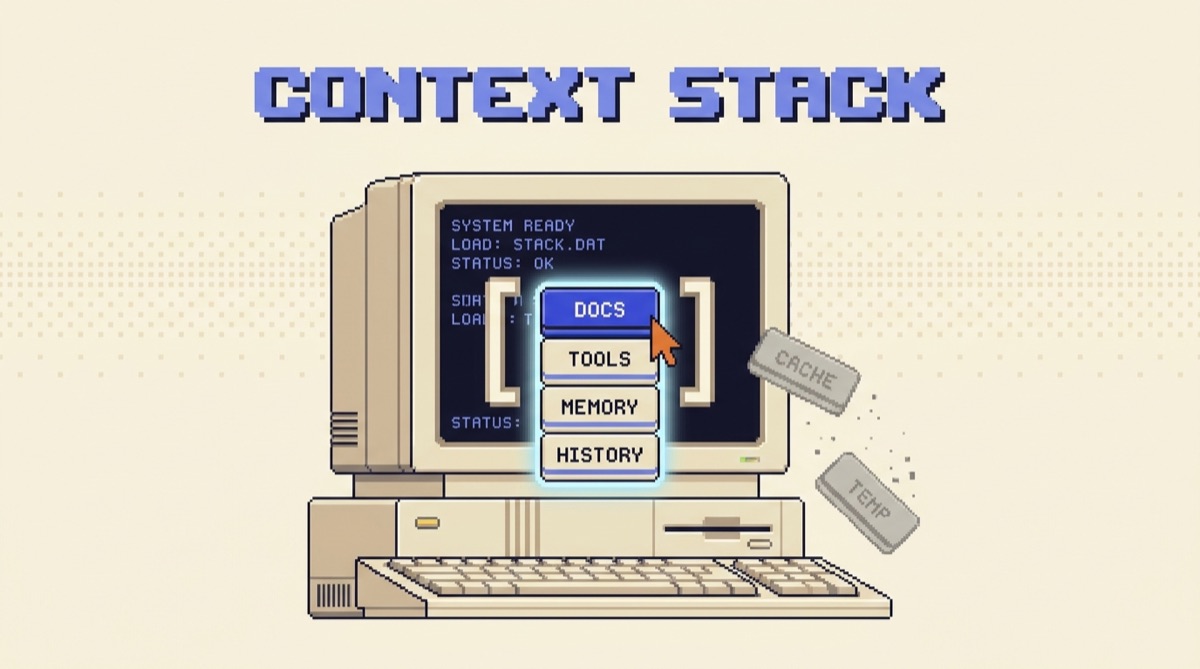
Context Engineering: How to Feed an AI Agent the Right Information
Context engineering is the practice of deciding what goes into an AI model's context window. Here is how it works, why it beats prompt tweaking, and how to do it.
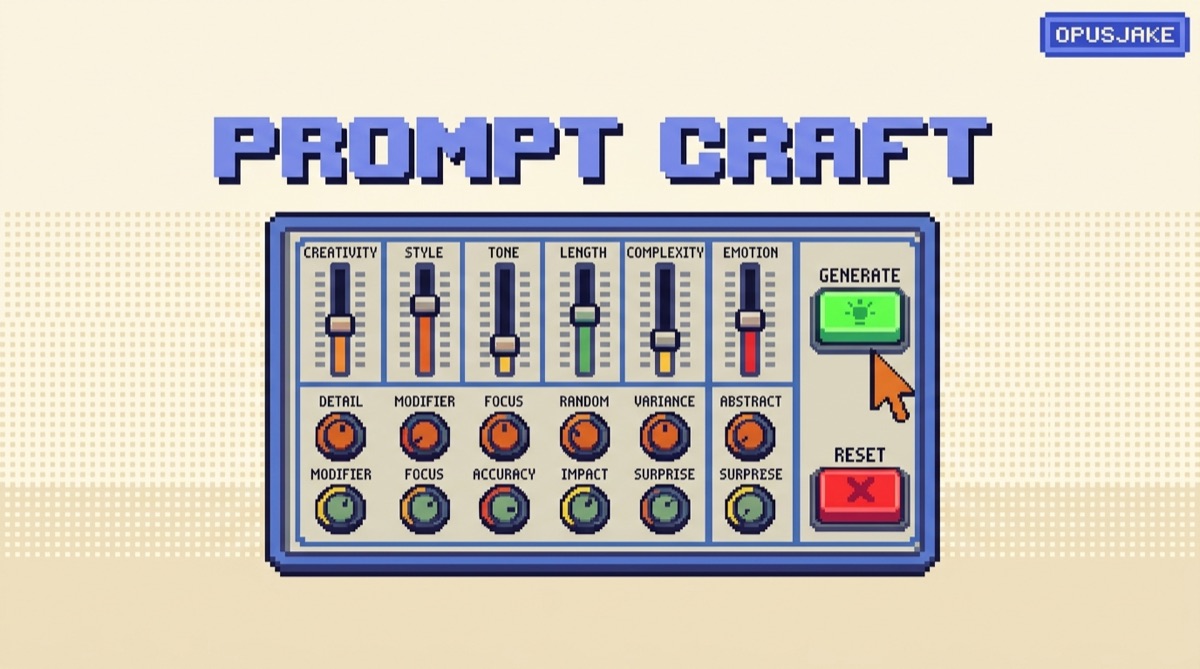 Prompting & context · 4 min
How to Write AI Prompts That Get Real Results
How to write AI prompts that actually work: the five parts of a reliable prompt, the mistakes that quietly wreck outputs, and a before-and-after you can copy.
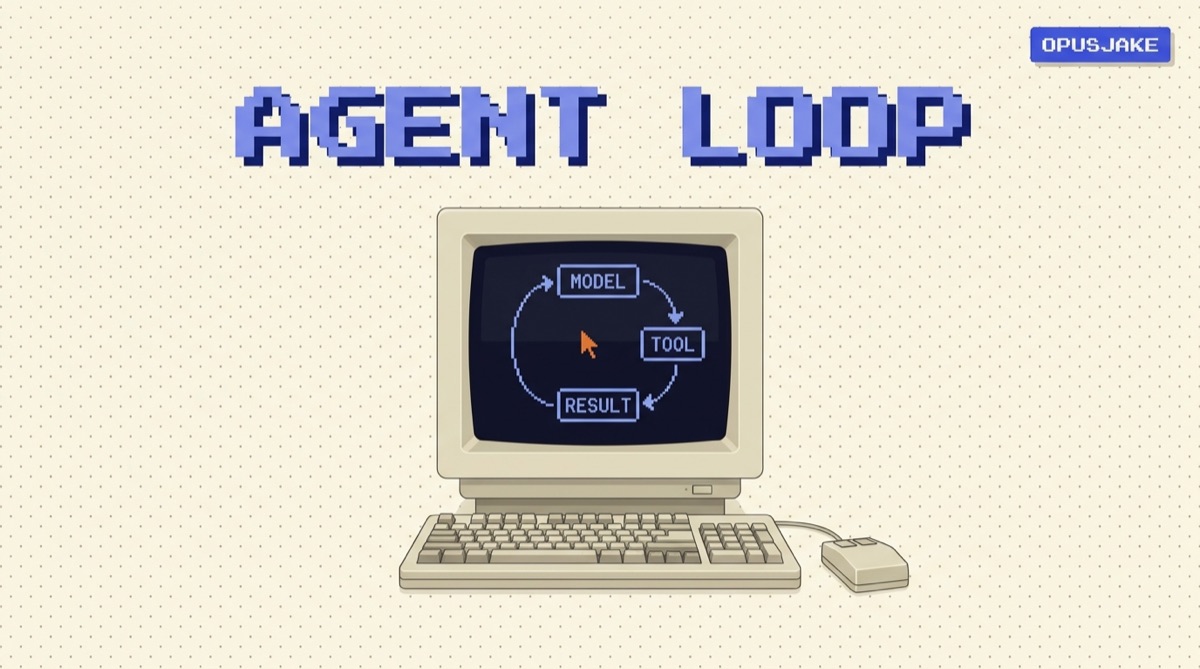 Agents · 6 min
How to Build an AI Agent That Ships Real Work
How to build an AI agent that actually ships work: the four parts every agent needs, a step-by-step build, the failure modes to catch, and when to skip it.